
When Hannah Harper walked onto the stage, she did not carry the intimidating perfection audiences once expected from talent-show champions. There were rough notes, nervous pauses, and moments that felt emotionally messier than technically refined. Yet somehow, those imperfections became the exact reason viewers leaned closer instead of tuning out. America did not just vote for a singer. It voted against exhaustion with manufactured perfection.
For years, shows like American Idol were built around vocal domination. Contestants were expected to deliver impossible runs, flawless belts, and polished stage presence that resembled finished industry products before they even signed contracts. The winners often felt larger than life. But somewhere along the way, audiences quietly stopped craving artists who sounded untouchable and started craving artists who sounded emotionally recognizable.
Hannah’s rise revealed something uncomfortable about modern pop culture: people no longer trust perfection the way they once did. In the social media era, hyper-curated celebrities have become increasingly difficult to emotionally connect with. Audiences spend every day navigating filtered lives, rehearsed interviews, and algorithmically perfected personalities online. By the time viewers sit down to watch reality television, many are subconsciously searching for someone who still feels human.
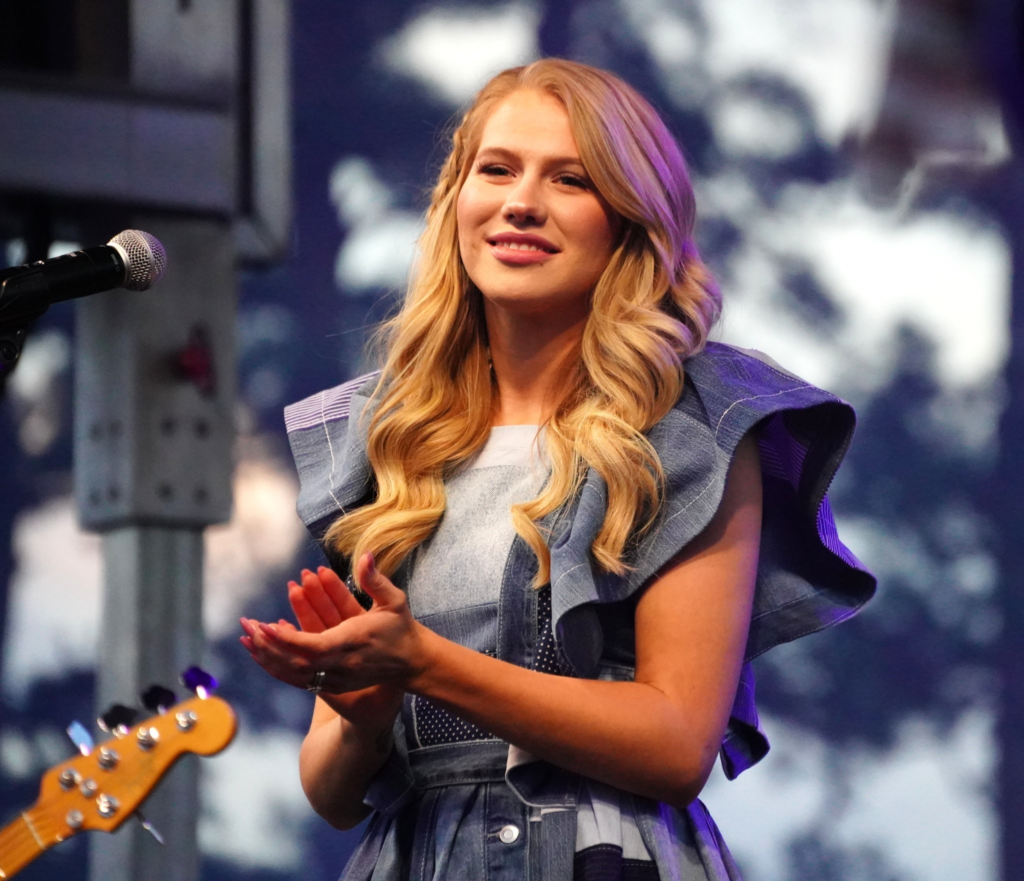
That is why Hannah’s rough edges mattered more than technical precision. Her performances carried hesitation, vulnerability, and emotional unpredictability that could not be trained inside expensive vocal camps. Instead of sounding manufactured, she sounded exposed. In an entertainment landscape overloaded with polished branding, exposure now feels strangely rebellious.
The shift says far more about viewers than contestants themselves. Older Idol eras celebrated aspirational talent. Fans wanted singers who seemed almost impossible to imitate. Today’s audiences are emotionally exhausted by unattainability. They no longer want celebrities who stand above them like flawless sculptures. They want performers who feel emotionally reachable, flawed enough to reflect their own anxieties back at them.
This explains the growing rise of what could be called “emotion-first” performers. Technical excellence still matters, but emotional transparency increasingly determines cultural impact. Artists who communicate sincerity, vulnerability, or emotional chaos often resonate more deeply than performers who execute every note perfectly but reveal nothing personal underneath. Hannah fit directly into that shift without necessarily trying to.
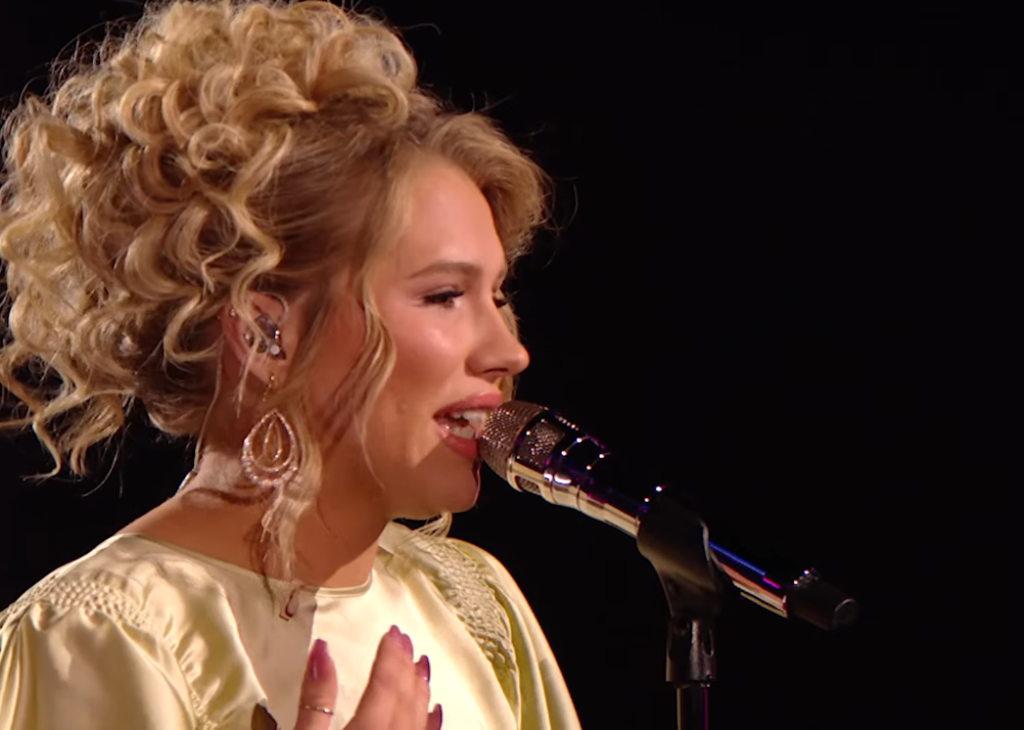
Interestingly, social media accelerated this transformation. Viral culture rewards authenticity far more aggressively than traditional television once did. A shaky emotional moment can travel faster online than a flawless performance because audiences instinctively recognize emotional truth. Clips spread not because people are studying vocal technique, but because they are searching for emotional connection in an era that feels increasingly artificial.
Some critics argued Hannah represented declining artistic standards, but that criticism almost proves why her popularity matters. The debate itself exposed a collision between two entertainment philosophies. One side still values precision above all else. The other values relatability, vulnerability, and emotional intimacy. Modern audiences increasingly appear willing to sacrifice polish if the emotional experience feels real enough.
What makes Hannah’s success culturally fascinating is that it reflects a broader rejection of “industry-perfect” celebrity culture. Viewers are becoming suspicious of anything that feels over-rehearsed or excessively managed. They want imperfections left visible. They want cracks in the performance. Those cracks reassure audiences that there is still an actual person underneath the spotlight instead of just another market-tested product.
In the end, Hannah Harper may not simply represent the winner of a television competition. She may represent the direction entertainment itself is heading. The future of pop culture could belong less to the most technically perfect artist in the room and more to the artist willing to sound emotionally unfinished in front of millions.