
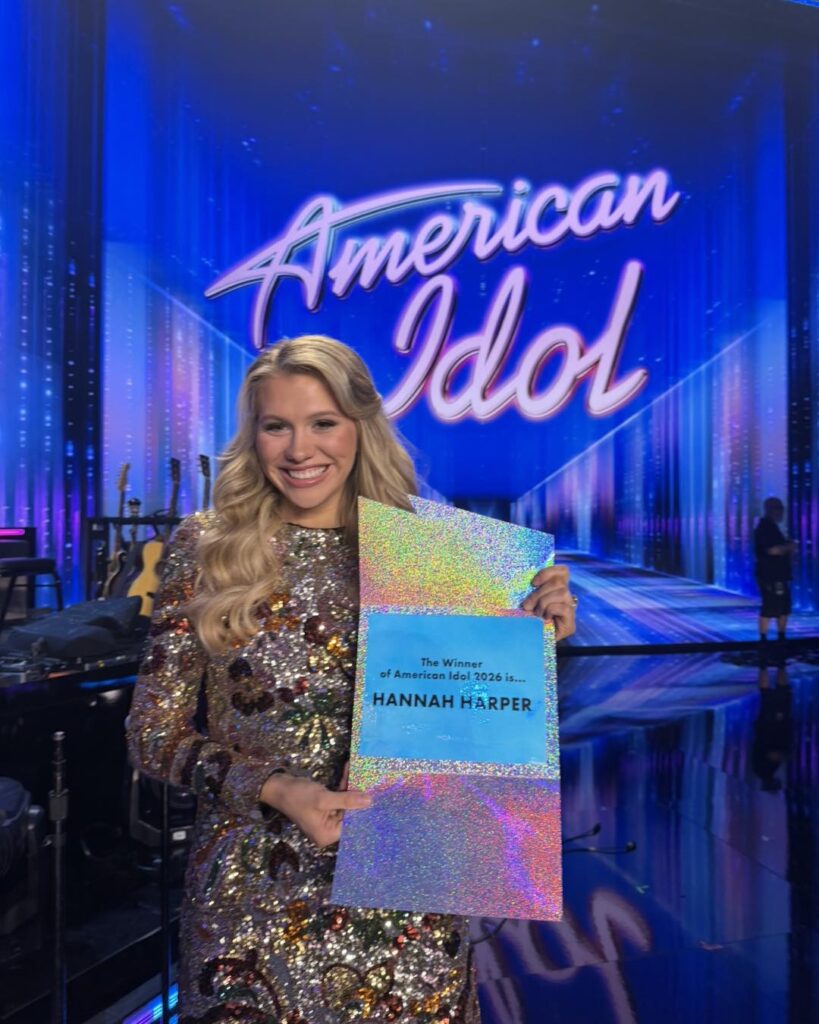
The journey of Hannah Harper through the 2026 season of American Idol never felt like the rise of a conventional reality-show contestant. From the moment she first stepped onto the audition stage, there was a quietness around her presence that contrasted sharply with the high-energy personalities surrounding the competition. She did not arrive with explosive confidence or theatrical ambition. Instead, she carried something far more difficult to manufacture on television — emotional familiarity.
Her audition immediately separated her from the crowd, not because it was vocally overwhelming, but because it sounded deeply personal. While many contestants approached songs as performances, Hannah approached them like confessions. Her voice held traces of bluegrass, gospel, and Appalachian storytelling traditions that made even familiar lyrics feel unusually intimate. Viewers were not simply hearing her sing; they were hearing where she came from.
As Hollywood Week intensified, the pressure began exposing cracks in contestants across the board. Some singers collapsed under technical demands, while others disappeared into overly rehearsed performances. Hannah’s strength emerged precisely because she never seemed interested in chasing perfection. She leaned into restraint, allowing silence, fragility, and emotional pauses to become part of her artistry. In a competition built on spectacle, subtlety unexpectedly became her weapon.
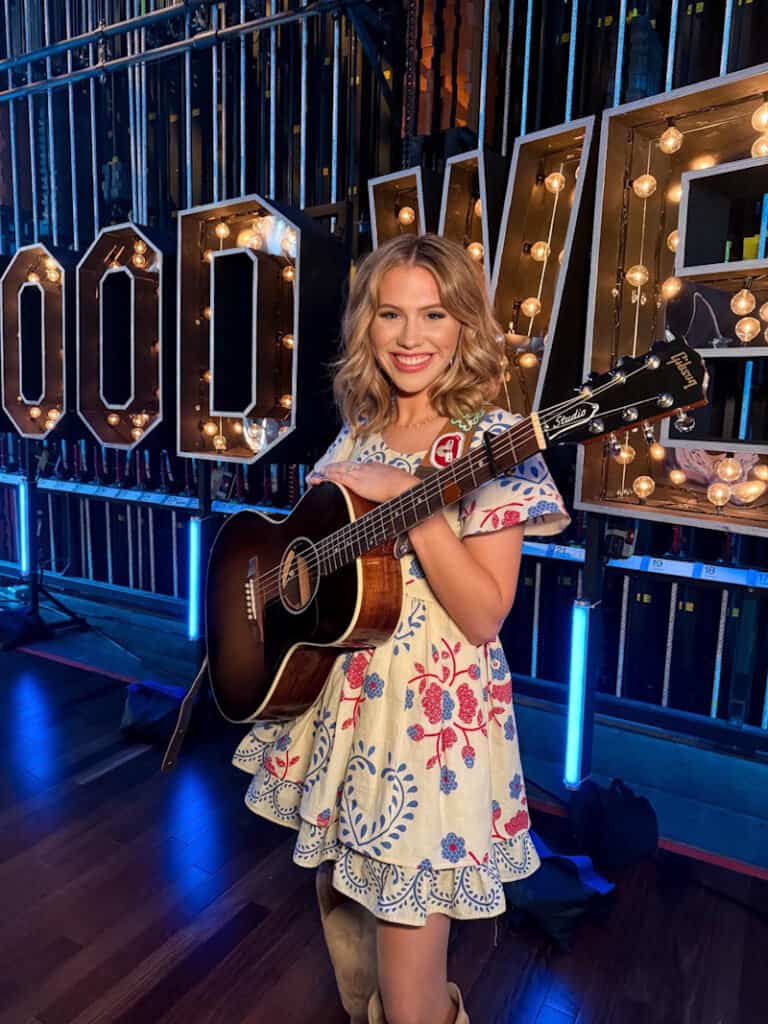
One of the defining moments of her journey came during a stripped-down performance midway through the season. There were no dramatic stage visuals, no oversized production tricks, and no attempt to overpower the audience vocally. Yet the room fell completely still. Judges appeared visibly affected, not by vocal acrobatics, but by the sincerity embedded in every line she delivered. That performance transformed her from an underdog contestant into a legitimate emotional centerpiece of the season.
What made Hannah’s rise fascinating was how divisive it gradually became. Her supporters viewed her as refreshingly authentic in an era of polished entertainment. Critics, however, questioned whether emotional connection was beginning to overshadow technical excellence on modern talent shows. Week after week, social media debates intensified. Some viewers believed stronger vocalists were leaving the competition too early, while Hannah continued advancing because audiences felt emotionally attached to her story and style.
Ironically, the criticism only strengthened her connection with fans. The more debates emerged online, the more audiences defended the honesty in her performances. Many viewers felt exhausted by technically perfect singers who lacked emotional identity. Hannah represented the opposite. Her imperfections became proof of humanity rather than weakness. Every slight crack in her voice sounded lived-in instead of rehearsed, and audiences increasingly valued that realism.
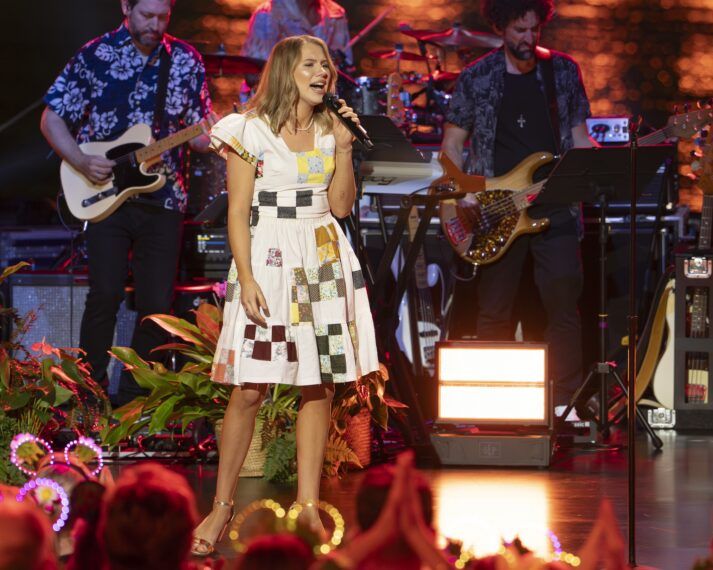
As the competition narrowed toward the finale, her performances became more emotionally layered. She appeared more confident without losing the softness that made people connect to her initially. Unlike contestants who dramatically reinvented themselves each week, Hannah remained remarkably consistent in artistic identity. She understood her lane and refused to abandon it for louder arrangements or trend-driven song choices. That artistic discipline quietly earned respect even from some critics.
Another reason her journey resonated so strongly was the cultural atmosphere surrounding her music. Hannah unintentionally brought bluegrass and gospel-rooted vocal traditions back into mainstream television conversations. Viewers began discussing Appalachian harmonies, church-singing influences, and folk storytelling in spaces usually dominated by pop analysis. Her presence expanded the season beyond entertainment and into something more culturally reflective.
By the time the finale arrived, Hannah Harper had evolved into more than a contestant. She became a symbol of a larger debate about what audiences truly value in artists today. Was technical brilliance enough on its own anymore? Or had listeners started craving emotional authenticity above all else? Her journey forced viewers to confront those questions every single week, which is why reactions to her success became so passionate.
Regardless of where audiences stood in the debate, one reality became impossible to deny: Hannah Harper left a permanent emotional imprint on the 2026 season of American Idol. Long after bigger notes and louder performances fade from memory, people will likely remember the stillness she created whenever she sang. And perhaps that is the clearest sign of meaningful artistry — not simply being heard in the moment, but remaining emotionally present long after the music ends.