
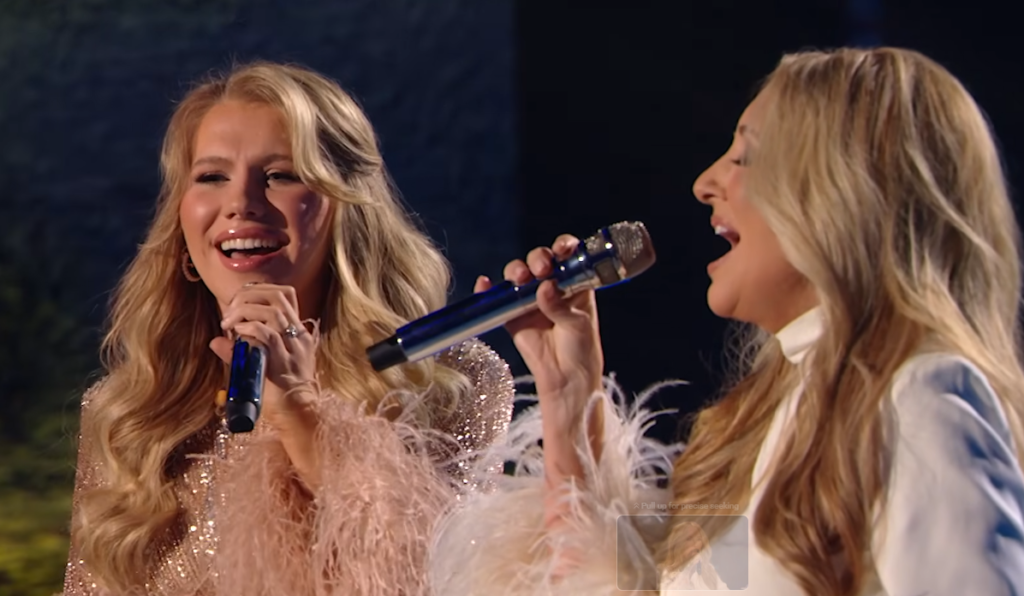
What made Hannah Harper stand apart on American Idol was not simply her voice, but the atmosphere surrounding it. In a season crowded with polished pop arrangements and high-note theatrics, her performances felt strangely older than television itself. There was something deeply rooted in the way she phrased lyrics — something shaped less by commercial radio and more by front porch harmonies, Sunday choirs, and the worn emotional texture of Appalachian music traditions.
Most viewers casually labeled her style as “country,” but that description barely scratched the surface. Beneath the acoustic guitars and soft Southern storytelling lived unmistakable traces of bluegrass and gospel influence. Her vocal runs rarely chased modern pop precision. Instead, they carried the trembling ache associated with church singing traditions, where emotion often outweighs technical perfection. That distinction is exactly why her performances resonated so intensely with audiences who grew up around faith-centered music cultures.
For years, mainstream television largely treated bluegrass as a relic — admired culturally, yet rarely centered commercially. Hannah Harper quietly changed that dynamic. She introduced millions of younger viewers to vocal textures they may never have consciously encountered before: cracked emotional phrasing, mountain-style harmonics, restrained storytelling, and melodies designed to feel lived-in rather than manufactured. Her success suggested that audiences may be craving musical sincerity again after years dominated by hyper-produced performances.
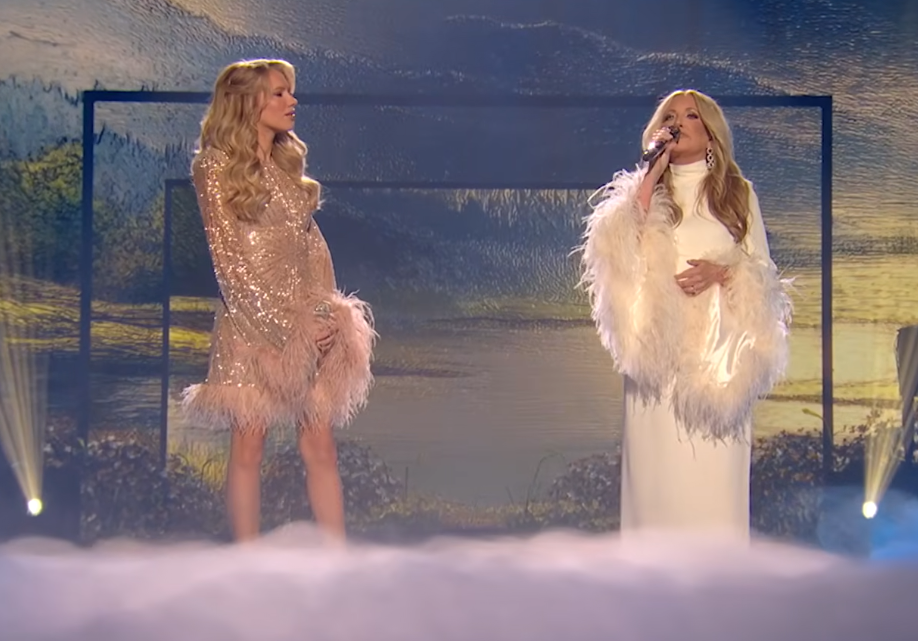
There were moments throughout the competition where echoes of Dolly Parton could be felt in her storytelling instincts. Not imitation, but lineage. Like Dolly, Hannah understood that vulnerability can function as a performance tool more powerful than sheer vocal force. Both artists possess the ability to sound conversational while singing, as though they are speaking directly from memory instead of delivering rehearsed entertainment. That quality creates intimacy television cameras struggle to fake.
Others compared elements of her tone to Alison Krauss, particularly the feather-light melancholy sitting underneath her quieter notes. Krauss built an entire career proving softness can command attention just as effectively as vocal acrobatics. Hannah appeared to tap into that same emotional architecture. Her restraint became her signature. While many contestants fought to overpower the room, she often drew audiences inward by doing less.
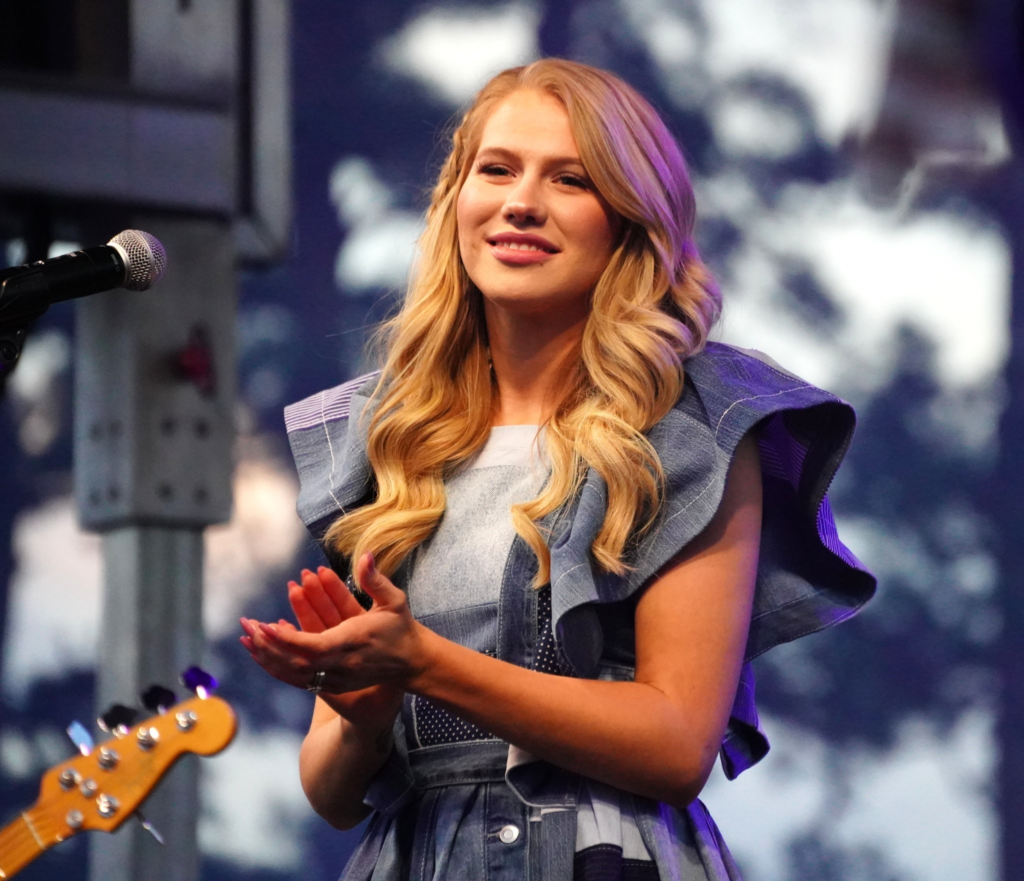
What made this cultural shift fascinating was how naturally faith-country crossover audiences embraced her. Viewers who typically feel disconnected from modern talent shows suddenly found themselves emotionally invested again. Church communities, older country listeners, and bluegrass fans saw reflections of familiar musical traditions inside a mainstream entertainment format that rarely acknowledges them directly. In many ways, Hannah’s rise became bigger than a competition — it felt like cultural representation.
Her performances also highlighted how deeply regional American sounds continue to shape modern music, even when audiences fail to recognize the origins. Appalachian vocal traditions have influenced folk, country, Americana, gospel, and even indie music for decades, yet mainstream television often strips away the historical roots behind those sounds. Hannah unknowingly reopened that conversation. She reminded viewers that certain musical styles survive not because industries protect them, but because communities quietly preserve them across generations.
Another reason her artistry connected so strongly was timing. Modern audiences increasingly crave imperfection. In an age dominated by algorithm-driven pop and digitally polished vocals, Hannah’s textured delivery sounded refreshingly mortal. The slight cracks in her voice, the pauses between lines, the almost prayer-like stillness of some performances — these qualities created emotional realism impossible to replicate through production alone. Her voice carried fingerprints of lived experience.
Ironically, her success may encourage future contestants to lean less into vocal spectacle and more into cultural authenticity. Talent competitions have long rewarded technical aggression: louder notes, bigger climaxes, harder arrangements. Hannah’s journey suggested audiences may now value emotional inheritance just as much. She did not merely sing songs; she carried centuries of musical atmosphere into prime-time television without announcing it explicitly.
That may ultimately become her greatest contribution to mainstream entertainment. Hannah Harper did not force bluegrass back into public conversation through marketing campaigns or genre debates. She did it quietly, through tone, memory, and emotional familiarity. And perhaps that is the most authentic way traditions survive in modern culture — not by demanding attention, but by making people feel something ancient they cannot fully explain.