
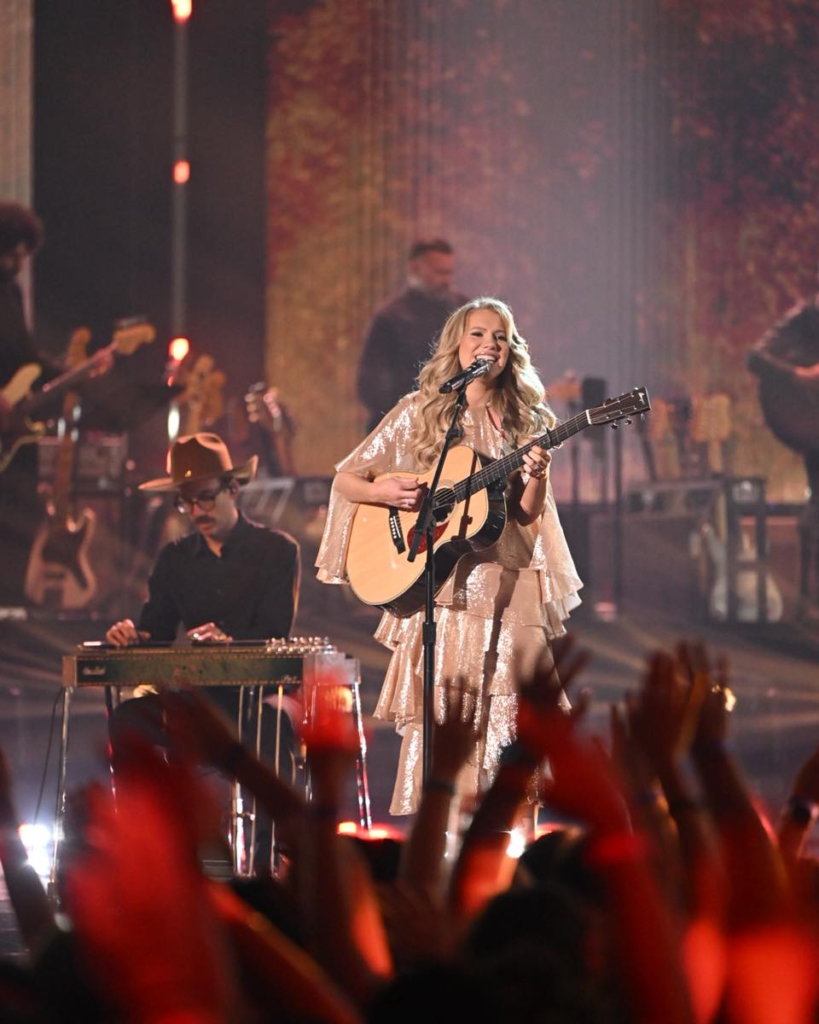
There was something unusual about the way America watched Hannah Harper. People weren’t reacting to her like a contestant moving through a television competition. They reacted to her like someone who had accidentally walked into their private emotional life and started singing pieces of it back to them. That distinction matters, because at some point during the season, Hannah stopped feeling like entertainment and started functioning like reflection.
On paper, her rise should have been improbable. She didn’t arrive carrying mainstream polish or industry-ready branding. There were no perfectly crafted viral moments waiting to explode online. Instead, she brought motherhood, exhaustion, faith, heartbreak, and an emotional transparency most public figures spend years trying to conceal. Yet strangely, that lack of distance became her greatest advantage.
Viewers projected themselves onto her almost immediately.
Not because she represented perfection, but because she represented recognizable struggle. In an era where audiences are emotionally overwhelmed yet socially disconnected, Hannah appeared emotionally reachable. Her vulnerability created access. People weren’t watching someone far above them; they were watching someone who looked emotionally close enough to understand them. That subtle psychological difference transformed ordinary support into something far more intense.
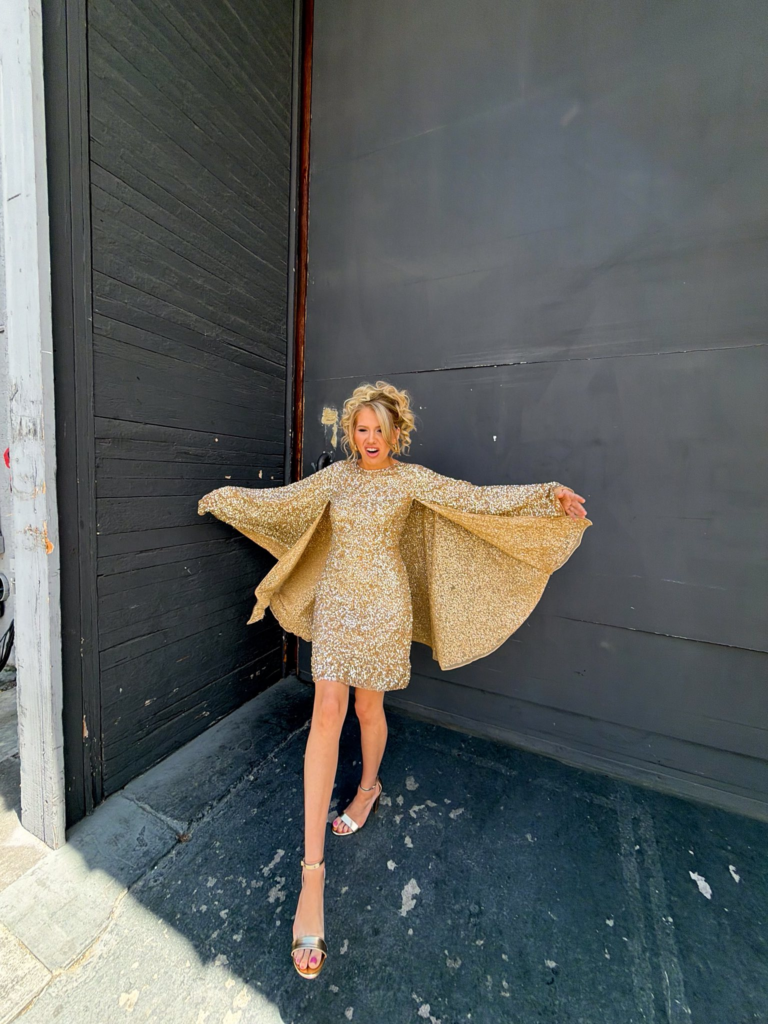
Modern audiences no longer form attachments purely through talent. They bond through emotional exposure. The more human an artist appears, the stronger the parasocial relationship becomes. Hannah understood this instinctively, even if unintentionally. When she spoke about motherhood, emotional exhaustion, and postpartum depression, viewers didn’t just hear honesty—they saw permission. Permission to acknowledge feelings they had spent years hiding themselves.
That is why her performances generated unusually emotional reactions online.
The discussions surrounding Hannah rarely focused only on technical ability. Instead, people talked about “feeling seen.” That phrase appeared repeatedly across comments, fan pages, and discussion forums. It revealed something deeper happening beneath the competition itself. Fans weren’t simply evaluating a singer. They were emotionally locating themselves inside her narrative. In many ways, Hannah became less of an artist and more of a symbolic emotional outlet.
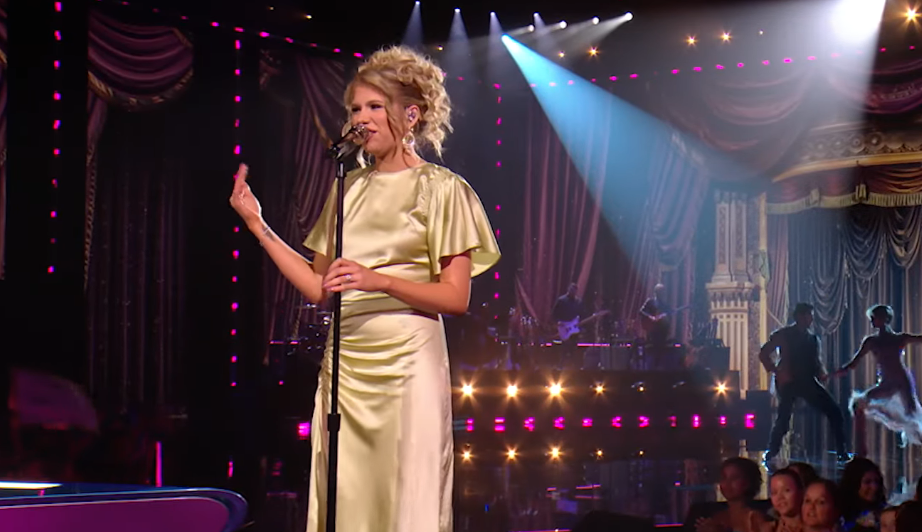
And culturally, the timing mattered.
America is currently living through an era of collective emotional fatigue. Economic pressure, social fragmentation, burnout culture, and digital isolation have quietly reshaped how people emotionally connect to public figures. Audiences increasingly gravitate toward personalities who feel emotionally unfinished rather than perfectly composed. Hannah’s softness, restraint, and visible vulnerability stood in direct contrast to the hyper-performed confidence dominating modern entertainment culture.
Ironically, the very qualities that once might have been viewed as weakness became her defining strength. She cried openly. She looked nervous sometimes. She carried visible emotional weight onto the stage instead of hiding it behind celebrity armor. Rather than damaging her image, those moments strengthened audience attachment because they made viewers feel emotionally protective of her.
That emotional protection is where the voting dynamic becomes fascinating.
People weren’t just voting for Hannah Harper because they liked her performances. They were voting for what she represented. Stability. Sincerity. Emotional honesty. A version of America still searching for softness inside increasingly performative public spaces. Supporting Hannah became psychologically tied to defending those values themselves. Voting stopped being entertainment participation and became emotional affirmation.
And perhaps that explains why her presence lingered far beyond individual songs. Hannah Harper wasn’t simply consumed like content. She was absorbed emotionally. Viewers saw pieces of their marriages, fears, motherhood, exhaustion, faith, loneliness, and hope reflected back through her. The stage may have introduced her as a singer, but by the end, many people were no longer watching music at all. They were watching themselves.