
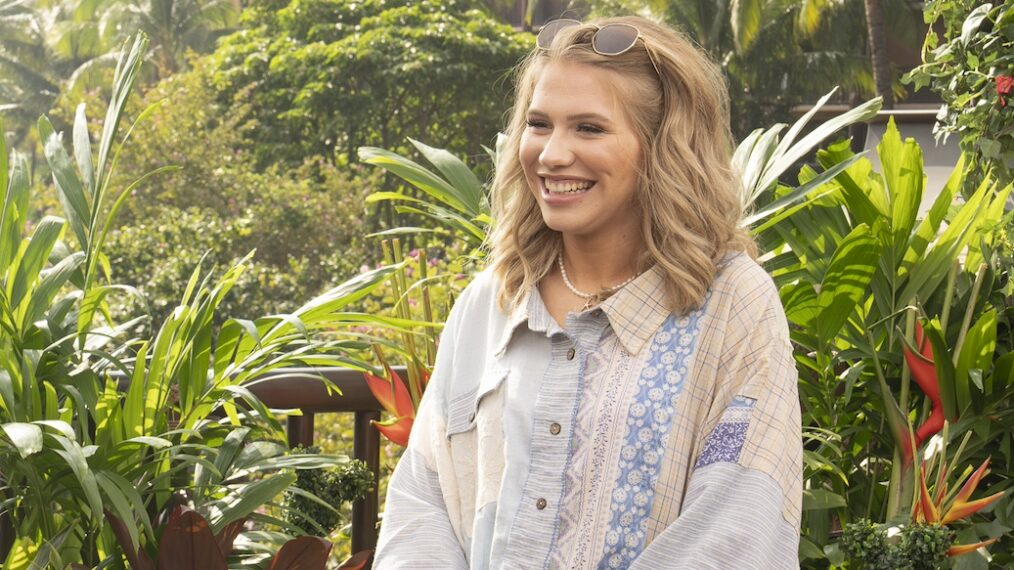
Every great competition eventually arrives at a deeper question than who sang best that night. It becomes about identity. About values. About what audiences truly reward when the spotlight gets brightest. This season, that question seems to have taken shape in two names: Hannah Harper and Keyla Richardson. One brings quiet emotional gravity. The other arrives with commanding force and precision. And now fans are divided over which kind of performer should win.
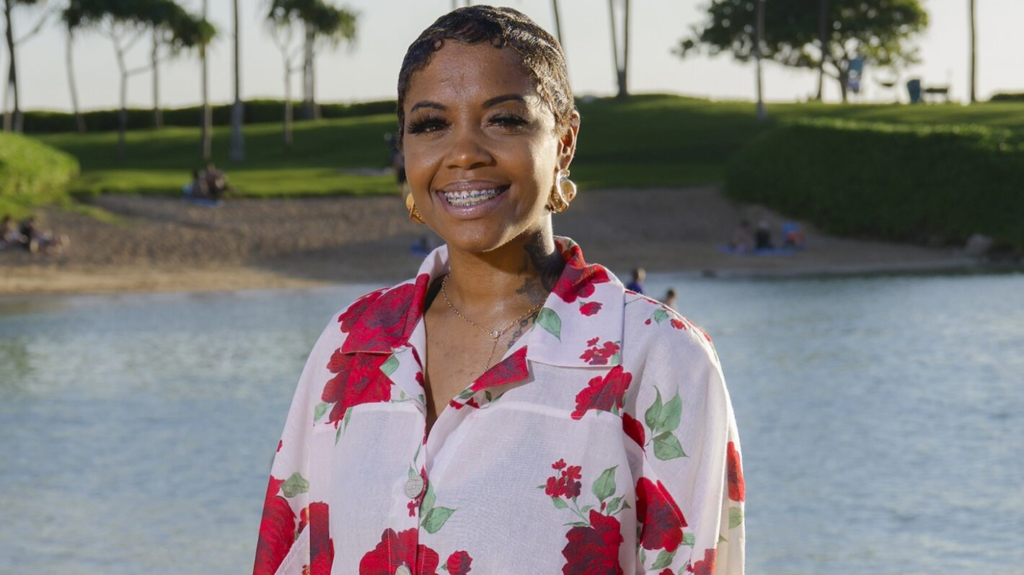
This is no longer just a comparison between contestants. It feels like a clash between two philosophies of music itself.
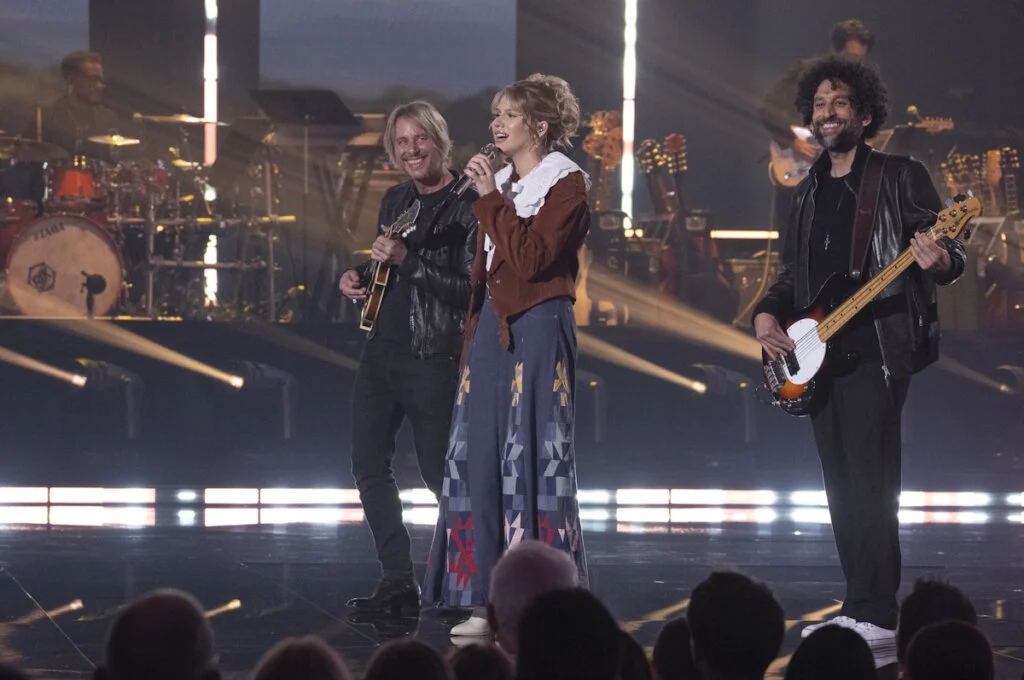
On one side stands Hannah Harper, whose performance of “Landslide” transformed the stage into something intimate and deeply human. She did not overwhelm the room with volume or flashy technique. Instead, she drew people inward. Her voice trembled in places that felt honest, not weak. Her pauses mattered as much as her notes. By the end, many viewers were not simply impressed—they were moved.
That distinction explains why Hannah has inspired such loyalty. Some performers are admired from a distance. Others create emotional proximity. Hannah belongs to the second group. Audiences feel as though they are inside the song with her, walking through every lyric rather than observing from the crowd. In competitions driven by public voting, that kind of connection can be incredibly powerful.
Then there is Keyla Richardson, who represents a completely different kind of electricity.
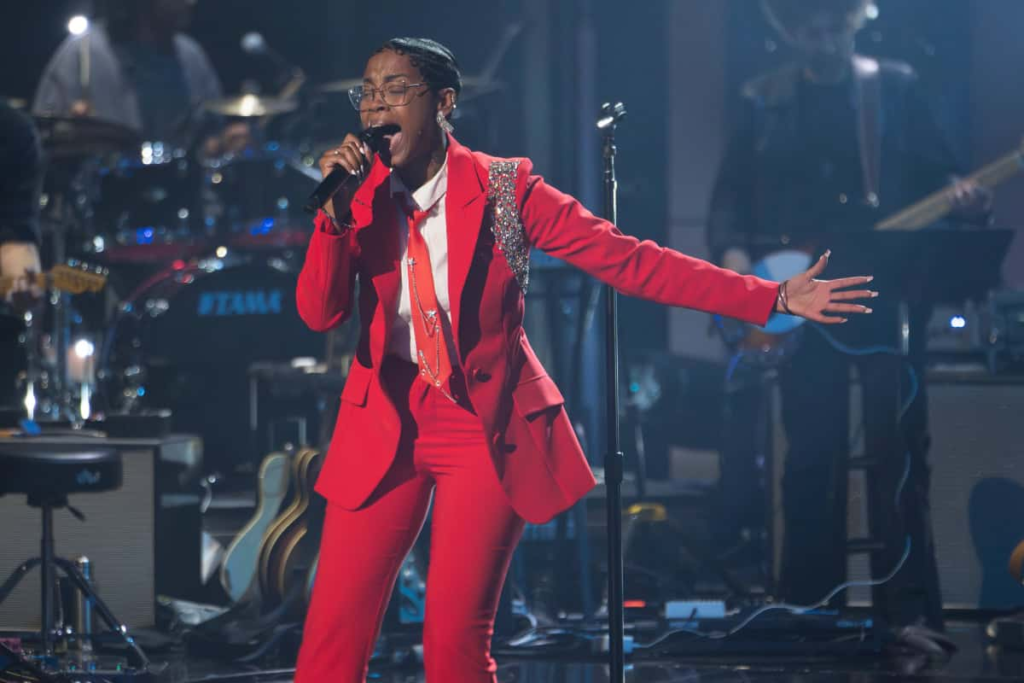
Her performance of “Signed, Sealed, Delivered” delivered the instant-impact thrill that live television loves. Control, confidence, range, rhythm, stage command—she brought all of it. While some contestants slowly build a moment, Keyla can seize one immediately. The reaction was fast and loud because great technical performers often create certainty. You know you are watching someone with serious ability the second they begin.
That is why so many fans are calling Keyla’s vocals among the best the show has seen. Precision matters. Breath control matters. Consistency matters. In an industry where live performance can expose weakness quickly, singers who combine power with command are rare. Keyla’s supporters see a contestant who already looks ready for major stages.
And yet, raw vocal skill has never been the only currency of shows like this.
History has shown that audiences often vote not just for the strongest voice, but for the contestant who makes them feel the most. The person whose songs seem personal. The performer whose vulnerability invites investment. That is where Hannah’s supporters make their case. They argue that technique can impress for a night, but emotional truth creates lasting loyalty.
So what really defines a winner?
It depends on what people believe the prize represents.
If winning means identifying the most technically complete singer, Keyla’s argument becomes strong. She embodies polish, discipline, and the kind of vocal authority that can dominate a room. There is security in that level of talent. Labels, producers, and audiences all recognize performers who can deliver under pressure every time.
If winning means finding the artist audiences cannot stop thinking about after the show ends, Hannah’s case becomes equally compelling. Emotional resonance is difficult to measure, but impossible to fake. Some voices leave the room when the song ends. Others stay with you during the drive home. That staying power can matter even more than range charts and sustained notes.
What makes this rivalry so compelling is that neither side is wrong.
Music has always lived in the tension between craft and feeling. The greatest stars often combine both, but audiences frequently encounter one first. Some artists stun listeners immediately with talent. Others grow into obsession because of how deeply they connect. Hannah and Keyla appear to embody those two entry points.
There is also the reality of television storytelling. Competitions are not judged in a vacuum. Viewers respond to narratives—growth, resilience, surprise, vulnerability, momentum. Hannah’s quieter emotional style naturally feeds story arcs because each performance can feel revealing. Keyla’s explosive command creates a different narrative: excellence, readiness, undeniable skill. Both are compelling, just in different ways.
For other contestants, this dynamic changes the entire field. They are no longer only competing against individuals; they are competing against two archetypes fans are passionately defending. To break through now, someone else may need to offer a third answer entirely—perhaps a performer who balances technical power with emotional intimacy.
That possibility is what keeps the season alive.
Social media has amplified the divide in fascinating ways. Clips of Keyla’s biggest vocal moments spread quickly because power translates instantly. Hannah’s performances often generate discussion, replays, and longer emotional reactions because nuance invites reflection. One wins the immediate reaction. The other can win the slow burn. Both matter in modern fandom.
Judges face a similar challenge. How do you compare a singer who electrifies a room with one who silences it? How do you score volume against vulnerability, polish against intimacy, spectacle against sincerity? Numbers and comments can only capture so much when artistry takes different forms.
Perhaps the better question is not power or feeling.
Perhaps it is whether one contestant can make audiences experience both.
That is often the final leap from standout contestant to undeniable winner. If Keyla can reveal more emotional depth while keeping her vocal force, she becomes even more dangerous. If Hannah can maintain vulnerability while adding moments of commanding lift, her ceiling rises too. The strongest rivals force each other to evolve.
And maybe that is the real gift of this showdown.
Hannah Harper and Keyla Richardson are pushing viewers to confront what they value in music, while pushing each other to become more complete artists. One reminds us that songs can heal. The other reminds us that songs can thrill. Neither lesson is small.
So who should win?
The answer may belong to whichever contestant learns how to turn power into feeling—or feeling into power—before the finale arrives.