
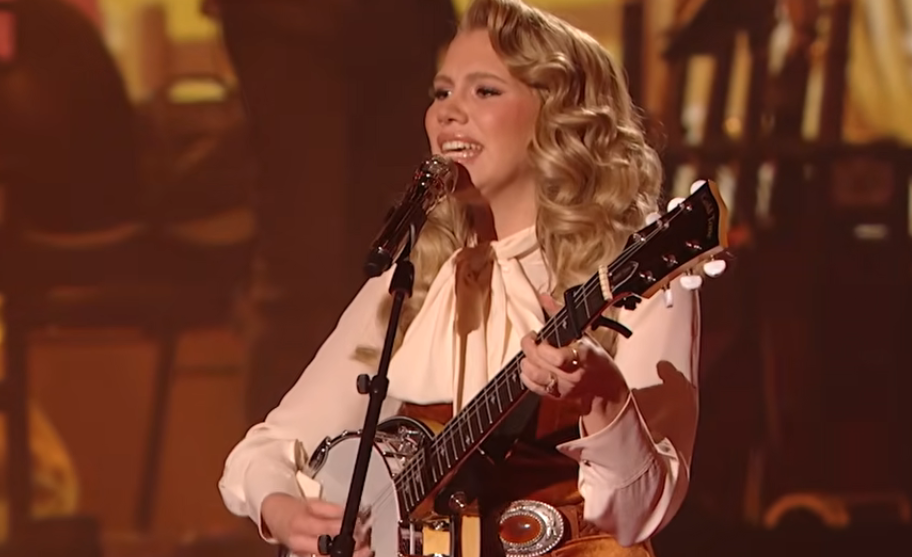
For two decades, American Idol has been a machine that polishes rough stones into radio-friendly gems. But when Hannah Harper stepped onto the Hawaii stage during Top 20 week, she didn’t get polished. She set the machine on fire.
The song was “Ain’t No Grave,” a track originally cut by Bethel Music—a niche worship collective known in charismatic Christian circles but virtually invisible to mainstream rock audiences. That should have been her first mistake. Instead, it became her manifesto.
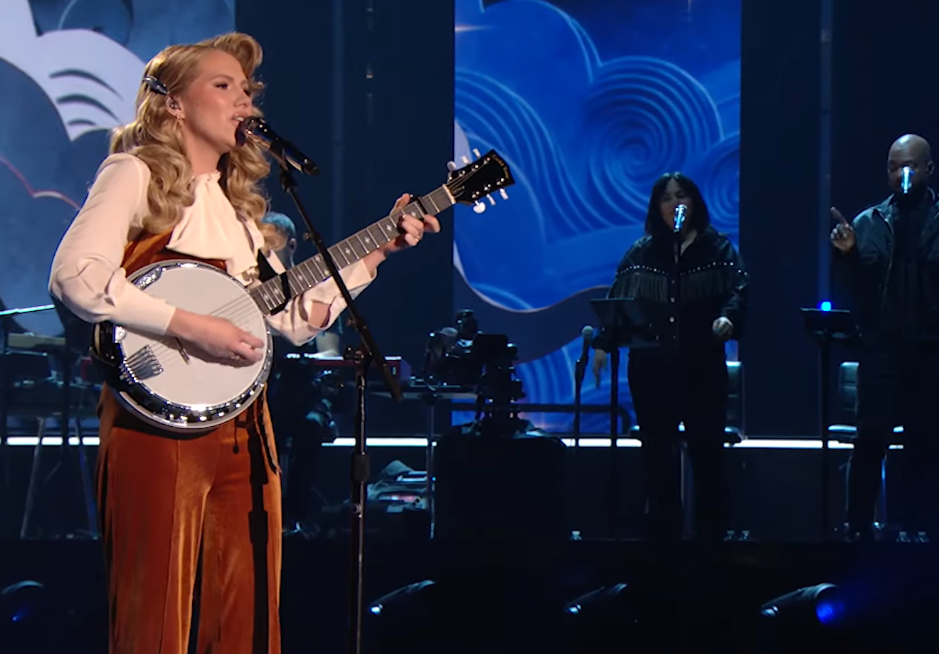
Halfway through the performance, something shifted. The usual Idol staging—tears, backstory packages, soft judges’ comments—evaporated. Luke Bryan leaned forward, squinted, and uttered a phrase no one anticipated: “That’s resurrection rock.” Lionel Richie, never one for hyperbole, added: “You went from singing to preaching.”
What exactly is resurrection rock? On paper, it shouldn’t exist. It marries the theological density of contemporary worship—lyrics about death, burial, and literal rising—with the raw, unpolished voltage of stadium rock. No Auto-Tune. No backing tracks. Just a voice that sounds like it has already survived something.
Harper’s secret isn’t her range. It’s her risk. Most gospel-adjacent contestants sand down their edges to fit the Idol mold. Harper did the opposite. She took a song written for sanctuary communion rails and threw it into a mosh pit. And somehow, the pit said amen.

The commercial question is not whether resurrection rock can sell—but who would dare buy it. Secular rock audiences have grown exhausted with performative nihilism. Christian audiences have grown suspicious of sanitized praise choruses. Harper offers neither. She offers a third door: faith without safety.
Her vocal delivery is what analysts in the entertainment sector call “the freeze”—a controlled stillness that forces attention onto the lyric rather than the performer. When she sings “ain’t no grave gonna hold my body down,” she isn’t auditioning. She is testifying. That distinction terrifies and thrills in equal measure.
Luke Bryan, of all people, became the unwitting godfather of this micro-genre. The irony is delicious. A mainstream country-pop hitmaker accidentally naming a fusion of Pentecostal fervor and hard rock rebellion—it’s the kind of accident that only happens once a decade.
Early indicators suggest resurrection rock’s viability is not in arenas but in liminal spaces: festival side stages, late-night TV slots, and viral clips shared by users who type “I’m not even religious but this gave me chills.” That demographic is massive, and it has been underserved for years.
Hannah Harper did not come to American Idol to win a singing competition. She came to prove that a conservative, faith-based vocal aesthetic can headbang without losing its soul. Resurrection rock may never top the Billboard Hot 100. But for the first time in years, something on network television felt genuinely, terrifyingly alive. And that is more dangerous than any chart position.