
In a world where visibility often feels like currency, the line between personal life and public image has become increasingly blurred. For many artists, especially those navigating platforms like American Idol, storytelling doesn’t stop at music—it extends into family, identity, and vulnerability. But what Hannah Harper is choosing to do stands quietly, yet firmly, against that current.
She isn’t hiding her life.
She’s protecting it.
There’s a difference.
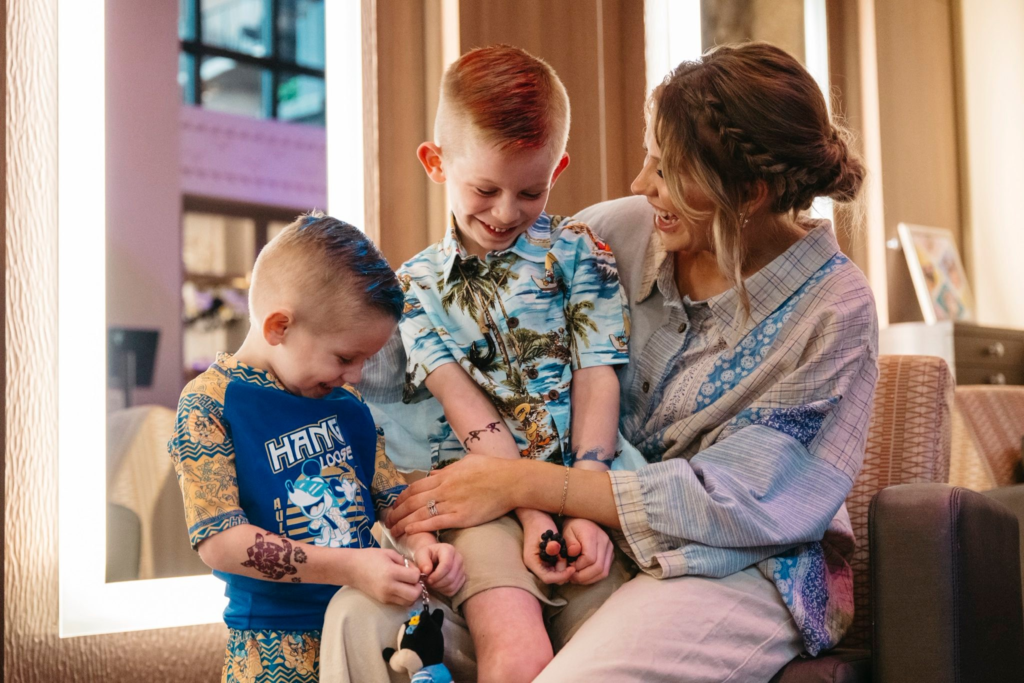
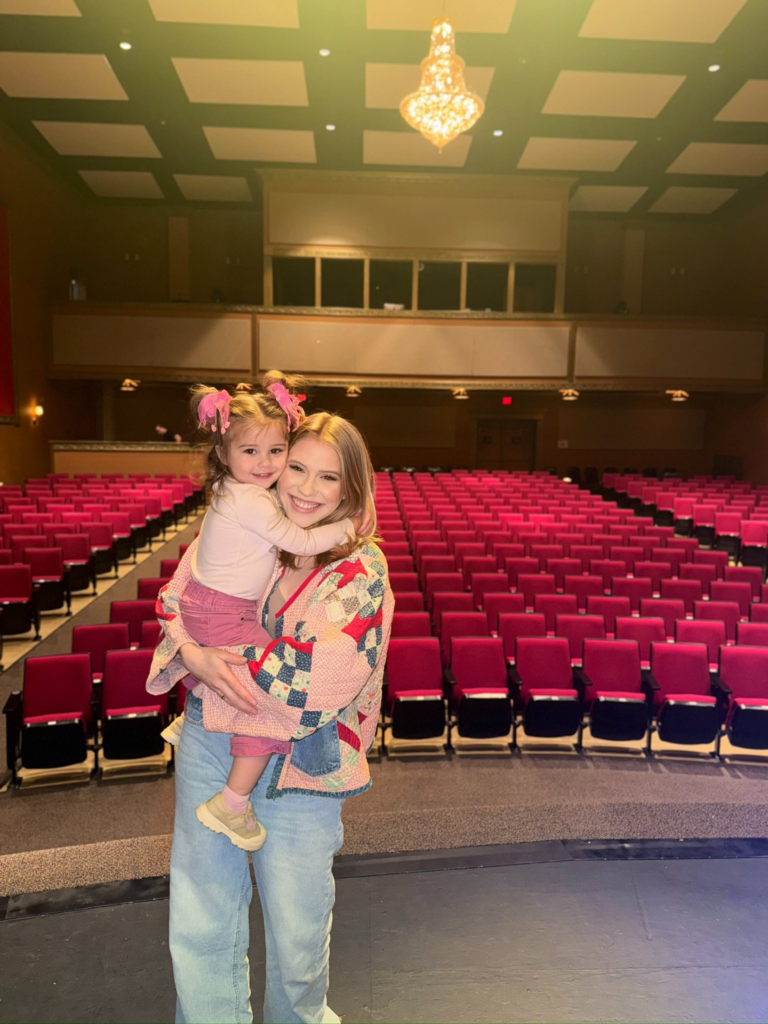
Her children are present. They are there in the audience, witnessing her journey, cheering her on not as part of a narrative—but as part of her world. And yet, she draws a line that many don’t. A line that isn’t loud, isn’t defensive, but is deeply intentional.
Because for Harper, motherhood is not a storyline.
It’s not a strategy.
It’s not something to be packaged for votes.
And in a space where emotional relatability can often influence outcomes, that choice carries weight.
There’s an unspoken expectation in modern entertainment—share more, reveal more, connect faster. The belief that the more people see, the more they will feel, and the more they feel, the more they will support. It’s a formula that works.
But Harper doesn’t follow formulas.
She follows something else.
Integrity.
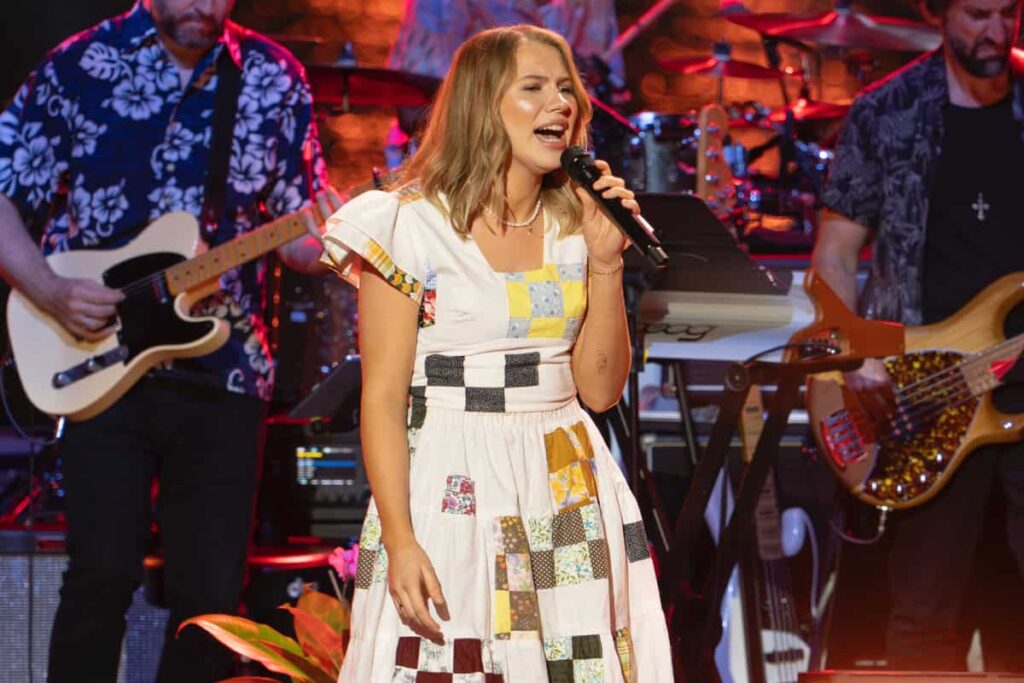
When she says, “My talent alone is enough to earn my place,” it doesn’t come across as defiance. It feels like clarity. A quiet understanding of what she’s willing to offer—and what she isn’t.
That distinction is rare.
Because it requires confidence not just in ability, but in restraint. It asks an artist to trust that what they do on stage is enough, even when everything around them suggests that more is needed.
And perhaps more importantly, it requires an understanding of legacy.
Not the kind measured in charts or titles, but the kind shaped by choices.
What do you allow the world to see?
What do you choose to keep?
And what do those decisions say about who you are when the spotlight fades?
For Harper, the answer is becoming clearer with every step she takes. She isn’t building a narrative that relies on emotional exposure. She’s building one rooted in consistency—where her voice, her presence, and her authenticity carry the weight.
And audiences are noticing.
Not in the explosive, viral way that often defines success today, but in something steadier. Something more grounded. A kind of respect that doesn’t need amplification to exist.
Because when an artist chooses not to use something as powerful as family for visibility, it sends a message without saying much at all.
It says: this matters more.
There’s also a deeper layer to this decision—one that extends beyond career strategy. By keeping her children out of the center of her public narrative, she’s allowing them to exist outside of it. To have their own space, their own identity, untouched by the expectations that come with her visibility.
That’s not just a professional choice.
It’s a personal one.
And it reflects a kind of awareness that often gets lost in the pursuit of success—the understanding that not everything meaningful needs to be shared to be real.
In many ways, this might be Harper’s most defining move yet.
Not a performance.
Not a song.
But a boundary.
Because boundaries, when held with intention, reveal more about a person than any performance ever could.
And in a competition built on moments, on stories, on connection, she’s choosing a path that doesn’t rely on any of those things in the expected way.
She’s choosing to be seen for what she does—not for what she could show.
And maybe that’s why this resonates so deeply.
Because in a landscape where attention is often earned through exposure, Hannah Harper is quietly proving that authenticity doesn’t need to be amplified.
It just needs to be real.