
Why the original ceremony looks nothing like what we do today
Nobody told you the whole story. You were handed a holiday with hot dogs, lawn chairs, and the unofficial green light to open a swimming pool — and somewhere along the way, the actual origin got buried just as quietly as the soldiers it was meant to honor. What if the truest, most powerful version of Memorial Day happened over 150 years ago, organized not by generals or politicians, but by people who had just broken free from chains? What if the first Memorial Day looked less like a parade and more like a prayer meeting that shook the earth?
Because that is exactly what it was.
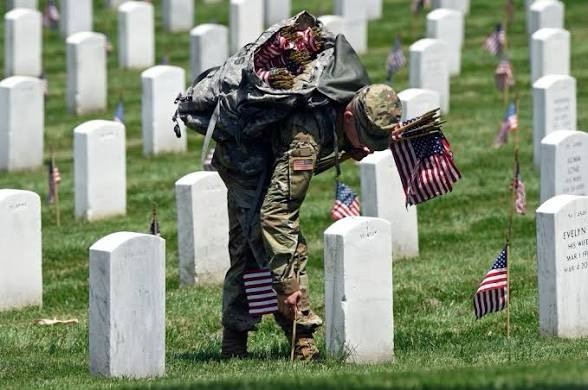
On May 1, 1865, in Charleston, South Carolina, approximately 10,000 people gathered at a former Confederate racetrack that had been converted into a makeshift prison camp — and a mass grave — during the Civil War. Union soldiers had died there in horrific conditions, buried in a shallow trench behind the grandstand. Before the official gathering even took place, a group of formerly enslaved Black men spent two weeks digging up those bodies and giving each soldier a proper, dignified burial. They built a fence around the new cemetery. They painted an archway above the entrance. It read: “Martyrs of the Race Course.”
That act alone should rewrite everything you think you know about this holiday.
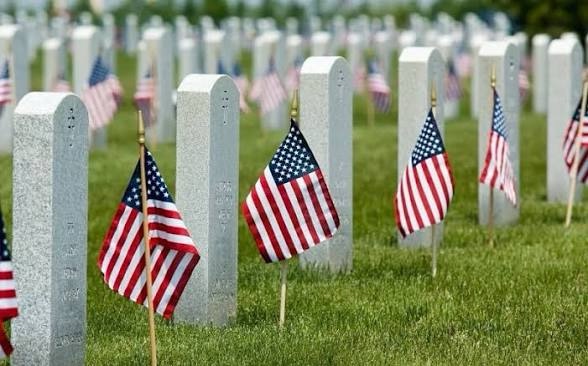
The ceremony that followed on May 1st was not a parade. There were no floats, no flyovers, no politicians performing grief for cameras. What unfolded that morning was a deeply spiritual gathering — part funeral procession, part church revival, wholly sacred. Black schoolchildren led the march, carrying armfuls of flowers to lay across the graves. Ministers delivered sermons. Choirs lifted spirituals into the warm Carolina air. Scripture was read aloud over the dead. These were people who understood, in their bones and their bloodlines, what it meant to suffer and to be forgotten. They were not performing mourning. They were living it, and then choosing to transform it into something holy.
The contrast with today’s version of the holiday is almost violent in its sharpness. Memorial Day weekend in modern America is the nation’s unofficial start of summer — the most traveled holiday of the year, synonymous with mattress sales, NASCAR races, beach traffic, and backyard cookouts. According to the American Automobile Association, tens of millions of Americans hit the road each Memorial Day weekend. Beer sales spike. Stores compete over who can slash prices deepest. The gravity of the original day has not just faded — it has been replaced by something that runs in the exact opposite direction of stillness and reverence.
This is not an accusation. It is an honest reckoning.
What makes the 1865 ceremony so staggering is the identity of those who organized it. These were not celebrated civic leaders or decorated veterans in pressed uniforms. They were formerly enslaved people — men, women, and children — who had survived one of history’s most brutal systems and come out the other side still capable of extraordinary grace. They chose to honor the Union soldiers who had fought and died, in part, so that their freedom could exist. That decision, made in the rubble of a collapsing Confederacy, was one of the most profound acts of communal gratitude and moral dignity ever recorded on American soil. Historian David Blight, who uncovered detailed accounts of the event, has called it the first Decoration Day — the precursor to what we now call Memorial Day.
And then history nearly swallowed it whole.
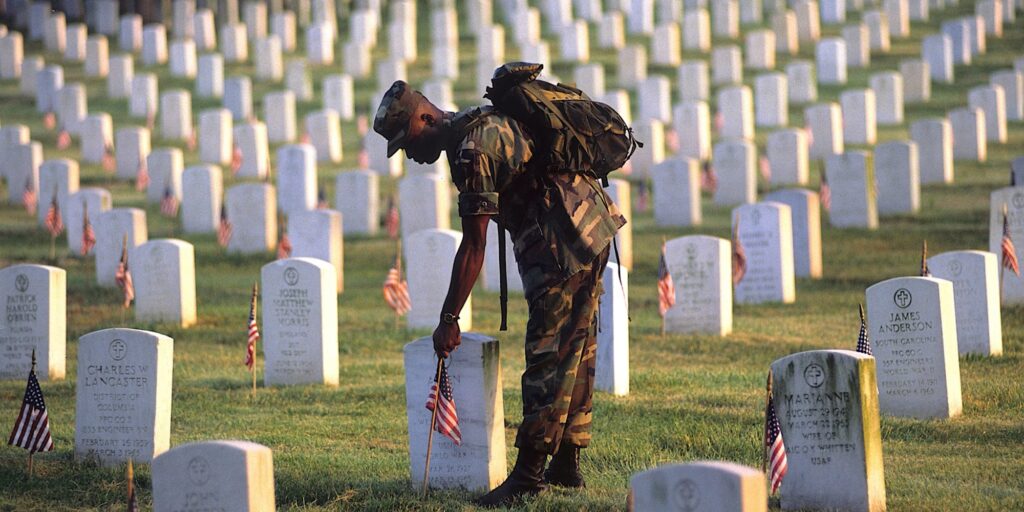
Within years, the story was quietly pushed aside. Official Memorial Day narratives centered on other events, other organizers, other cities. The Charleston ceremony — organized by Black Americans, rooted in Black grief, fueled by Black faith — was largely written out of the dominant cultural memory of the holiday. It was not a mistake. Erasure of that kind rarely is. What was replaced was not just a date on a calendar, but an entire emotional and moral framework for how a nation should grieve its war dead. The original ceremony insisted that mourning was sacred work. That remembrance required your full presence. That the dead deserved more than a passing thought between your second burger and a volleyball game.
Here is what you can take from all of this — not guilt, but clarity. Memorial Day was born in an act of radical tenderness by people who had every reason to harden their hearts and chose not to. The BBQ and beer that define the modern holiday are about as far from its roots as possible, and knowing that does not have to ruin your weekend. But it might — if you let it — add one quiet moment to it. A pause. A name spoken aloud. A flicker of real remembrance in the middle of all that noise. Because 10,000 people once gathered in Charleston and refused to let the forgotten stay forgotten. The least we can do is remember that they did.
The original Memorial Day was not a celebration of summer. It was a resurrection of memory — and it deserves to be remembered too.