
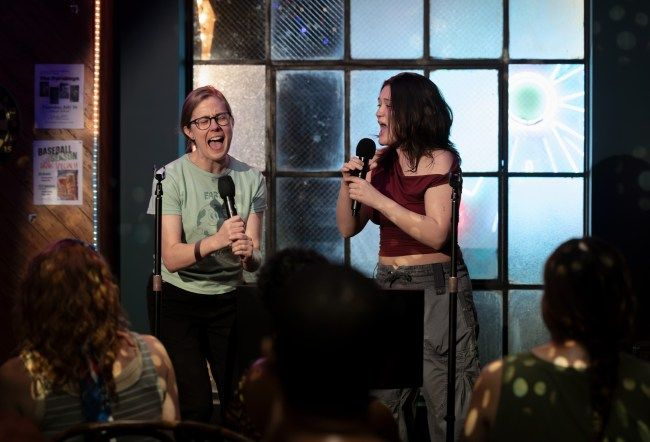
Television finales are usually remembered for revelations, heartbreak, cliffhangers, or explosive endings. But sometimes the scene people carry with them is not the loudest or the most expensive—it is the most unexpected. That is exactly what happened with the finale of The Pitt, where a surprise karaoke moment featuring Mel and Santos transformed what could have been a routine credits scene into something fans cannot stop talking about.
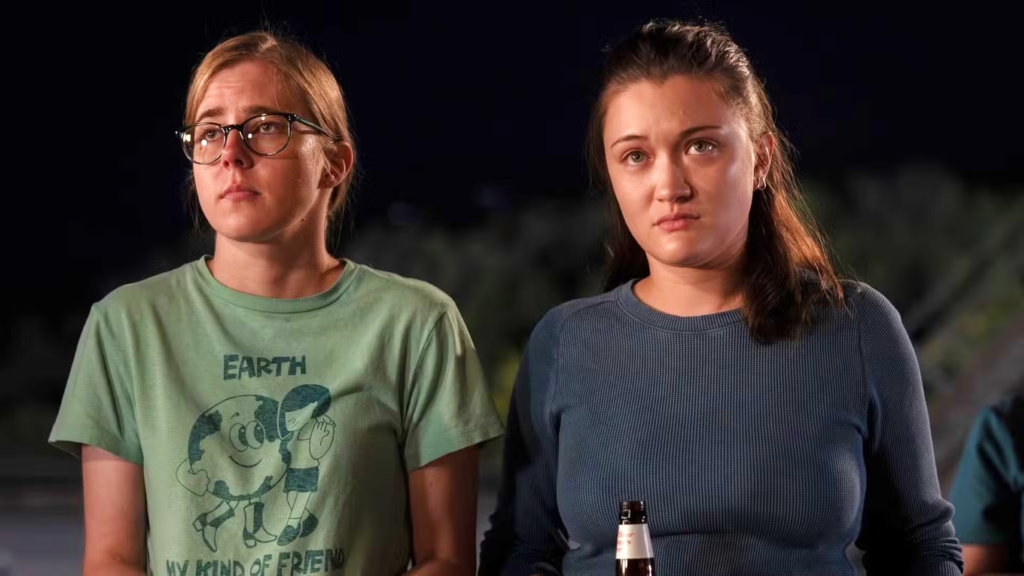
What looked spontaneous on screen was apparently just as chaotic behind the scenes.
According to showrunner R. Scott Gemmill, the now-discussed performance of You Oughta Know was never part of some carefully mapped master plan. It came late in the writing process while he was shaping the finale, as an attempt to “blast” the audience out of an emotionally devastating ending. That phrase alone says a lot. He knew viewers would be carrying heaviness. He wanted to break the emotional pressure before the credits fully rolled.
And that instinct may have saved the ending from becoming emotionally one-note.
Great finales understand rhythm. If an episode closes only in darkness, viewers can admire it while still feeling drained. If it closes only in joy, it can feel dishonest. The best endings know how to hold grief and relief in the same hand. The karaoke scene did exactly that. It didn’t erase what came before. It gave people room to breathe after surviving it.
That is why fans connected so quickly.
For viewers, it looked like two characters impulsively singing after chaos. But beneath the humor and disorder was something much deeper: decompression. Mel and Santos were not performing because they were carefree. They were performing because they were exhausted. After fifteen hours of trauma, pressure, emotional collapse, and survival, the body often searches for release before the mind can even explain it.
That is where the scene became brilliant.
Taylor Dearden admitted she initially felt unsure how to play Mel in such a wild setup. That hesitation makes sense. When a character has lived through so much in one episode, suddenly jumping into karaoke can seem tonally impossible. Actors are guardians of emotional truth. If the leap feels fake, audiences feel it immediately.
Then came the missing key.
Co-star Isa Briones reportedly suggested Santos would absolutely spike Mel’s drink. In one chaotic comedic idea, the entire emotional logic snapped into place. Suddenly the moment was not random—it was character-driven. Santos remained unpredictable and electric. Mel’s loosened restraint made sense. What seemed absurd became believable.
That is often how memorable scenes are born—not from perfection, but from problem-solving.
Audiences sometimes imagine iconic moments arrive fully formed. In reality, many of them emerge through friction. A writer senses something missing. An actor questions the truth of a scene. Another performer offers a left-field solution. Everyone adjusts. Suddenly, magic appears where confusion once lived.
The karaoke scene also revealed something essential about Mel and Santos as characters: connection formed under pressure can become strangely intimate. Shared chaos creates bonds people don’t expect. When two people endure crisis together, even ridiculous moments can feel sacred. Singing badly, laughing too hard, acting reckless—these are sometimes the first signs that nervous systems are trying to come back down to Earth.
That is why the moment felt bigger than comedy.
It was not just two characters yelling lyrics into a microphone. It was trauma leaving the body through noise. It was friendship forming through nonsense. It was people refusing to let pain be the last thing they felt that night.
And the song choice mattered too.
“You Oughta Know” is not a polite song. It is sharp, loud, messy, emotional, and impossible to sing halfway. Choosing it meant choosing catharsis over control. That energy matched the emotional wreckage of the finale perfectly. A neat, gentle song would have felt false. This one let them tear through the silence.
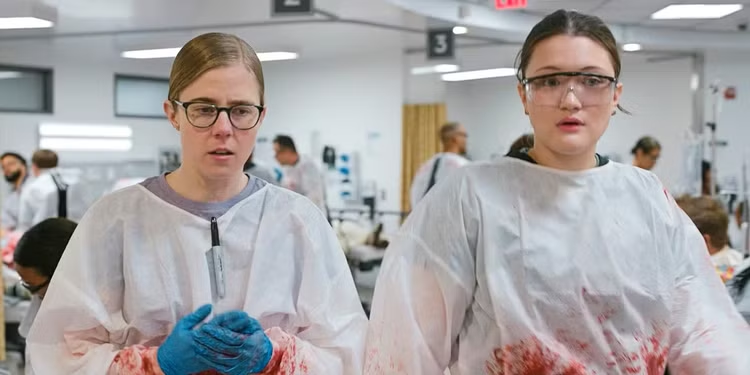
For fans, scenes like this often become favorites because they feel earned. Characters suffer, struggle, hold everything together for hours—and then crack open in the most human way possible. Not with speeches. Not with monologues. With laughter, bad decisions, and screaming lyrics with someone who understands exactly what the day cost.
That kind of truth lingers.
It also reminds viewers why endings matter. The final minutes of an episode shape memory. They tell the audience what emotional note to carry forward. The Pitt could have chosen only devastation. Instead, it chose complexity. It chose to say that after horror, people still reach for joy. After breakdown, they still seek connection. After surviving the unbearable, they may do something gloriously ridiculous.
And maybe that is more realistic than any solemn ending could be.
Because real people often process pain in strange ways. They joke at funerals. They laugh after panic attacks. They sing too loudly after terrible days. Healing does not always arrive elegantly.
Sometimes it arrives as karaoke no one planned.
And sometimes the scene that nearly never made it into the show becomes the one fans remember most.