

There is a certain script the world expects women in the spotlight to follow. Be graceful, but not intimidating. Be talented, but never too loud about it. Be admired, but remain distant enough to feel unreal. Smile on cue. Speak carefully. Move flawlessly. Above all, become a symbol before you are allowed to be a person. That script has shaped the “idol” archetype for decades. And yet, every so often, someone appears who quietly tears those pages apart without ever announcing that she intends to.
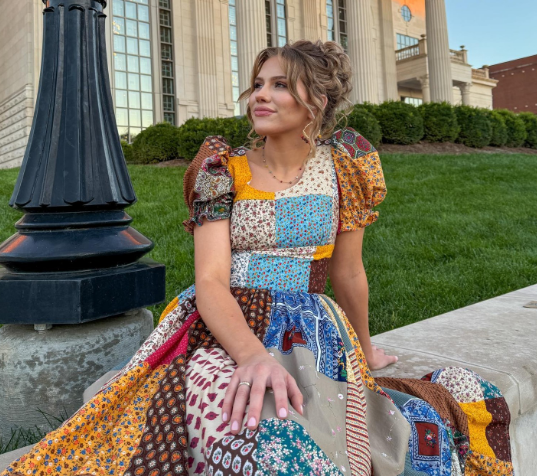
She does not rebel in the dramatic sense. She does not storm stages to prove a point or deliver speeches about authenticity every week. In fact, what makes her so disruptive is how natural it all seems. She laughs too hard. She misses a step and laughs again. She answers questions honestly instead of strategically. She can look breathtaking one second and completely ordinary the next, and neither version feels manufactured. She does not perform humanity as a branding exercise. She simply lives inside it.
That is precisely why people cannot stop watching.
The traditional idol image depends on distance. Fans are meant to admire from below, staring upward at someone polished beyond reach. But she creates the opposite effect. She shortens the distance. Not by lowering standards, but by making excellence feel human-sized. When she succeeds, it feels inspiring rather than alienating. When she struggles, it feels recognizable rather than embarrassing. In a culture obsessed with perfection, relatability becomes revolutionary.
There is also something powerful about the way she carries beauty. Many public figures wear beauty like armor, as if it must constantly defend their value. She does not seem burdened by it. She can be glamorous in one setting and barefaced in another without signaling crisis. She understands, perhaps instinctively, that beauty is strongest when it is not clung to. That freedom unsettles old expectations because the idol archetype depends on appearance being sacred. She treats it as one color in a much larger painting.
Then there is ambition. Audiences are often comfortable with ambition only when it arrives disguised as humility. She does not always disguise it. She works hard, improves openly, reaches higher, and allows herself to want more. Yet it rarely reads as arrogance because it is paired with visible effort. People can sense the difference between entitlement and hunger. One demands applause. The other earns attention. She embodies the second.
What makes her even more compelling is that she is inconsistent in the most human way. Some days she is magnetic, witty, and sharp. Other days she seems quiet, awkward, or introspective. Traditional idol culture tries to erase those fluctuations, presenting a fixed persona that never changes. But real people are weather systems, not statues. Her shifting moods and energies make her feel alive. Audiences may not always know what version of her they will get, but that uncertainty creates genuine interest.
She also understands something many celebrities never learn: charm is not control. Charm is presence. It is the ability to make a moment feel awake. She can do that in silence as easily as in spectacle. A glance, a pause, a spontaneous reaction—these often land harder than rehearsed grand gestures. Because when everything around fame becomes overly managed, spontaneity feels luxurious.
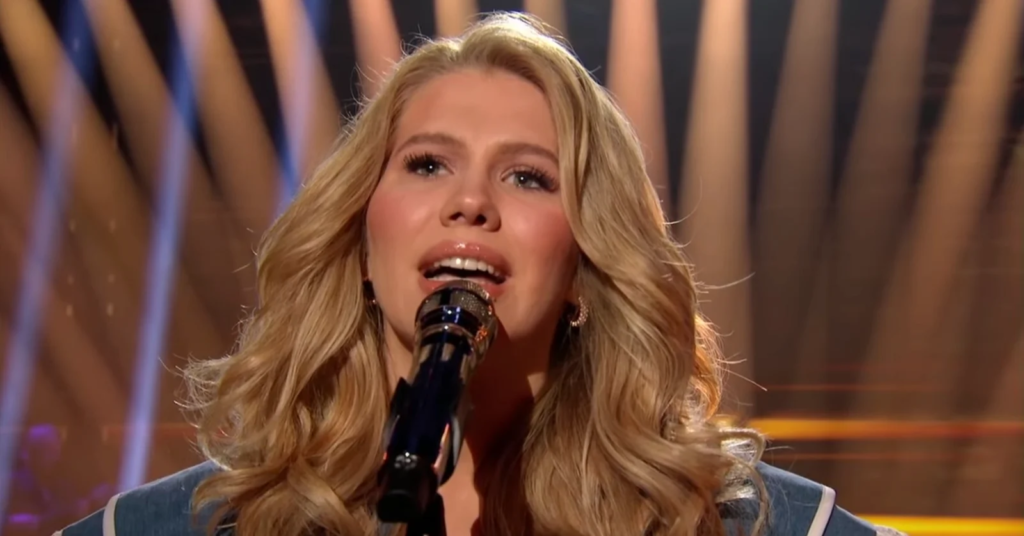
Another reason she breaks the archetype is that she does not appear desperate to be universally loved. That does not mean she is careless or cold. It means she accepts that being real will naturally divide opinion. Some will adore her confidence. Others will misread it. Some will celebrate her honesty. Others will call it risky. But she does not flatten herself to solve everyone else’s discomfort. In an era where public figures are constantly encouraged to become agreeable products, that restraint feels rare.
And strangely, this makes affection for her deeper. Perfect figures are often admired quickly and forgotten quietly. Human figures stay with us. We remember the crooked laugh, the imperfect answer, the moment of vulnerability after success, the stubborn refusal to fit neatly inside categories. She becomes memorable not because she is untouchable, but because she is textured.
There is a larger cultural shift happening here too. Audiences are more exhausted than ever by polished emptiness. They can sense when someone is overcoached, overfiltered, overdesigned. They are hungry for texture, contradiction, sincerity, even mess. She arrives at the right time carrying all of it naturally. What once might have been seen as flaws now reads as freshness.
Perhaps the most striking part is that she likely is not trying to “break” anything at all. She is not standing in opposition to the idol system with a manifesto in hand. She is simply refusing to disappear inside it. And that may be the strongest form of disruption there is. Not rage. Not rejection. Not spectacle. Just selfhood maintained under pressure.
In the end, she breaks the idol archetype because she chooses personhood over mythology. She reminds people that grace can include awkwardness, beauty can coexist with ease, ambition can look warm, and influence does not require pretending to be perfect. The world has seen many stars. But the ones who change the shape of stardom are different. They do not shine because they were polished enough. They shine because they remained real enough.