

There are moments on American Idol when a contestant doesn’t just perform—they decide. They decide whether to play it safe or step into something uncertain, something that could either elevate them or unravel everything they’ve built. For Braden Rumfelt, Top 12 night wasn’t about comfort. It was about risk.
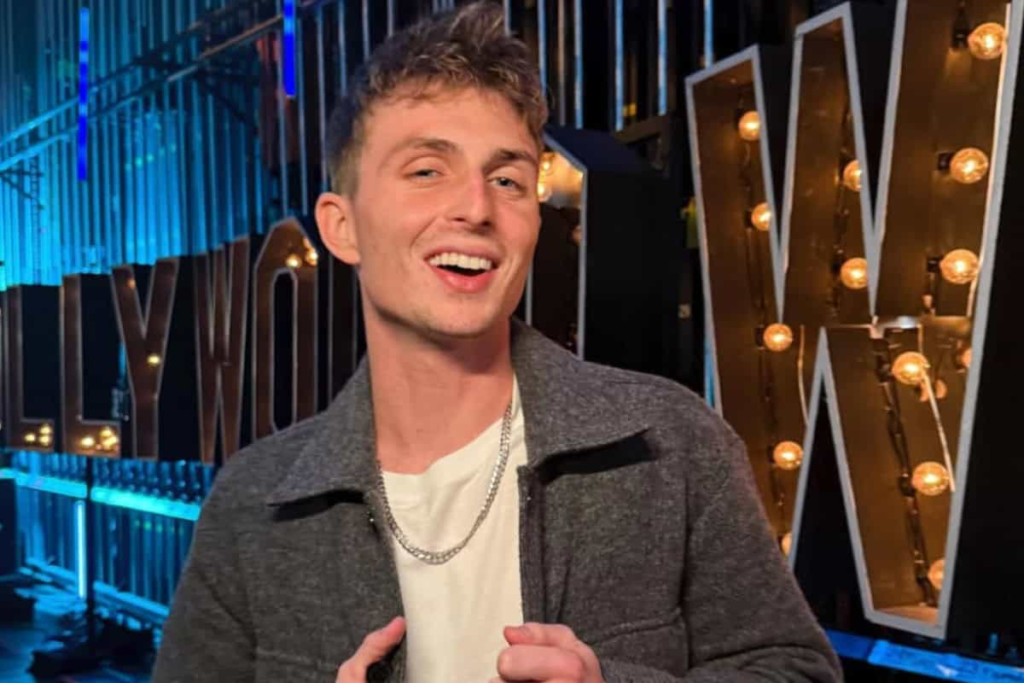
And he chose it.
Taking on All By Myself—a song forever tied to the towering legacy of Celine Dion—isn’t just a bold choice. It’s a declaration. It tells the audience, the judges, and perhaps even yourself, that you’re willing to stand in the shadow of one of the most vocally demanding performances in music history and still find your own light.
Because this isn’t just a song. It’s a test.
From the opening lines, Braden didn’t rush. There was a noticeable sense of caution in his delivery, as if he understood the weight of what he had stepped into. But instead of letting that pressure consume him, he used it. Each phrase felt measured, intentional, almost like he was building a staircase toward the moment everyone was waiting for.
And then came the climb.
The power notes—the ones that have broken even the most technically gifted singers—arrived not as a desperate reach, but as a controlled release. Braden didn’t try to overpower the song. He leaned into it, allowing his voice to stretch without snapping, to rise without losing its core.
It wasn’t perfect.
And that’s exactly why it worked.
Because perfection, especially with a song like this, can feel distant. Untouchable. But Braden’s performance had edges—small, human moments that reminded the audience that what they were witnessing wasn’t just skill, but effort. Real, visible effort. And in a competition where authenticity is currency, that matters.
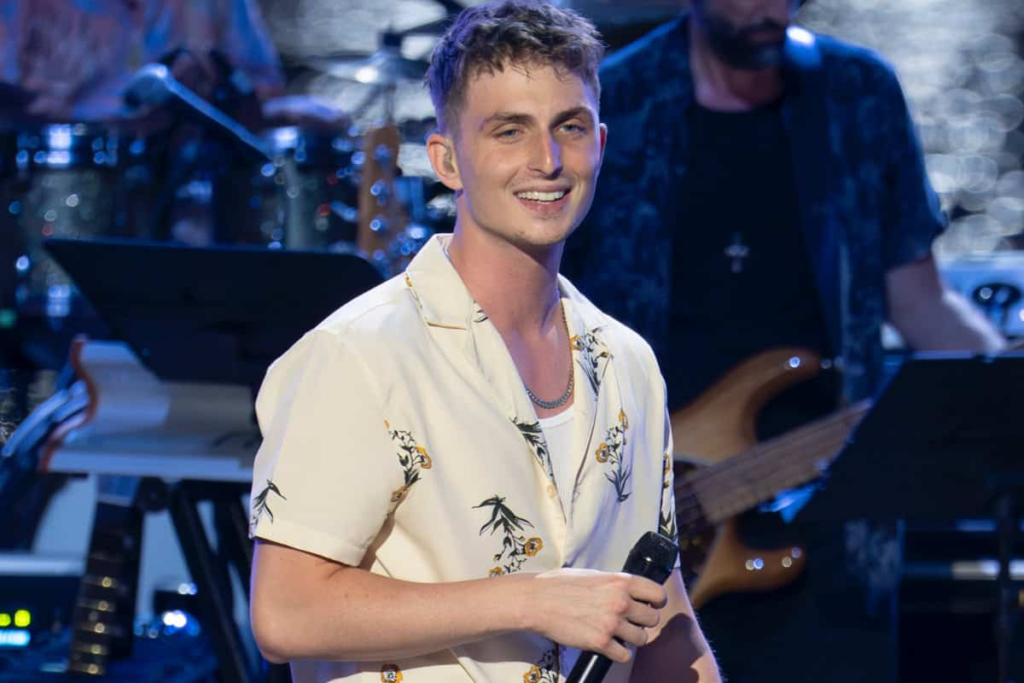
Lionel Richie saw it immediately.
His praise wasn’t just about hitting notes—it was about courage. About stepping into a song that could have easily exposed weaknesses and instead turning it into a moment of growth. That kind of recognition doesn’t come lightly, especially on a stage where expectations are constantly rising.
But the most intriguing reaction came from Carrie Underwood.
She admitted she needed to rewatch the performance.
And not for the reason anyone expected.
That statement lingered in the air, almost like a second performance unfolding after the first had ended. Because when a judge of Carrie’s caliber says they need to revisit a moment, it suggests something layered—something that wasn’t fully captured in a single viewing.
Maybe it was the emotional arc.
Maybe it was the technical nuance hidden beneath the surface.
Or maybe it was the realization that Braden had done something rare—he made a song this big feel personal.
That’s the paradox of “All By Myself.” It demands scale, but it only truly connects through intimacy. And Braden, whether intentionally or instinctively, found a way to balance both. He gave the audience the power they expected, but he grounded it in something they could feel.
And that’s where the performance shifted.
It stopped being about whether he could sing the song.
It became about what he did with it.
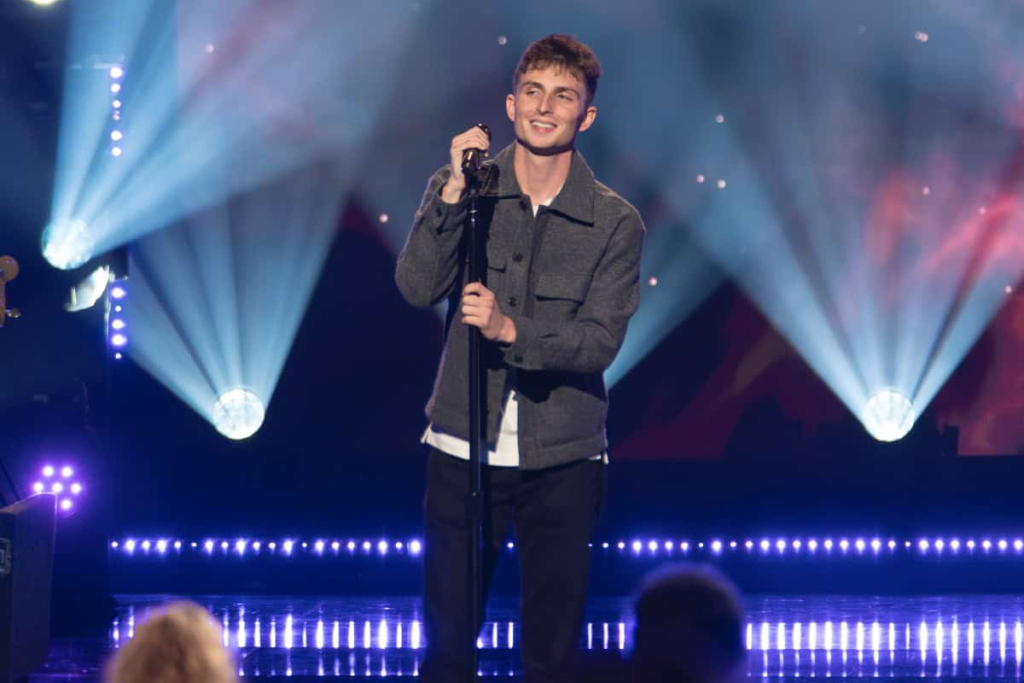
Advancing into the Top 11 wasn’t just a result—it was a reflection. A reflection of a contestant who is beginning to understand not just how to perform, but how to choose. Because song choice, especially at this stage, is everything. It reveals confidence, awareness, and most importantly, identity.
And Braden’s choice revealed something important.
He’s not here to blend in.
He’s here to challenge himself, even if it means risking everything in the process. That kind of mindset doesn’t always guarantee immediate success, but it builds something far more valuable—momentum rooted in growth.
Now, all eyes are on him.
Not because he played it safe and delivered what was expected, but because he stepped into uncertainty and came out with something worth remembering. In a competition where moments define trajectories, this could be the turning point.
Because sometimes, the performances that stay with us aren’t the ones that felt easy.
They’re the ones that felt earned.
And Braden Rumfelt, on a night that demanded courage, didn’t just sing a difficult song.
He proved he was willing to risk being seen.