

There was a time when authenticity felt rare—something you stumbled upon and instantly recognized as real. But somewhere along the way, authenticity became a performance of its own. It started to look curated, timed, and carefully packaged. And slowly, audiences began to feel it—not as truth, but as effort.

That’s where the fatigue began.
In a world where everyone claims to be “real,” the word itself has lost weight. Emotional moments are anticipated. Vulnerability is expected. Even imperfection feels rehearsed. What was once organic now often feels like strategy—something designed to connect rather than something that simply does.
And audiences are noticing.
You can feel it in the silence after certain performances. Not the good kind of silence—the kind that lingers because something meaningful just happened—but the kind that exists because something felt slightly off. Slightly calculated. Slightly too aware of itself.
That’s authenticity fatigue.
It’s not that people don’t want realness anymore. It’s that they’ve become incredibly sensitive to when it’s being presented as real, rather than being real. The difference is subtle, but it changes everything.
And then comes someone like Harper.
She doesn’t arrive announcing authenticity. She doesn’t lean into visible vulnerability or exaggerated storytelling to prove anything. In fact, she almost seems uninterested in proving it at all. And that’s exactly why it works.
Because authenticity power doesn’t perform—it exists.
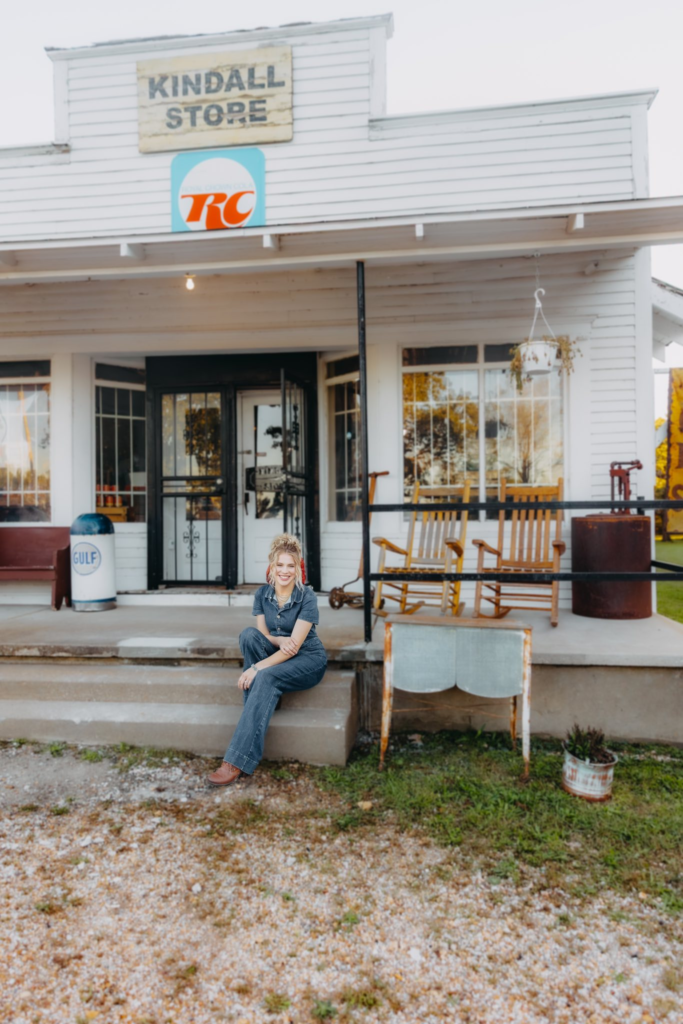
With Harper, there’s a noticeable absence of effort in the way she presents emotion. Not because she’s not trying, but because it doesn’t feel like trying. There’s no visible push to make the audience feel something. Instead, the feeling arrives on its own, quietly, without instruction.
That’s rare.
It’s the difference between someone showing you they’re emotional and someone simply being present in an emotion. One asks you to react. The other allows you to experience.
Harper allows.
And that’s where she separates herself from the noise. In a space crowded with artists trying to demonstrate authenticity, she removes the demonstration altogether. There’s no over-explaining, no over-delivering. Just a steady, grounded presence that doesn’t shift based on what might be expected.
It feels unguarded—but not exposed.
And that distinction matters. Because what people are tired of isn’t authenticity itself—it’s the performance of it. The visible construction. The sense that every emotional beat has been considered before it even happens.
Harper doesn’t give that.
Instead, she offers something that feels less like a moment and more like a state. There’s consistency in her tone, in her pacing, in the way she holds a note just long enough without stretching it for applause. It doesn’t reach—it lands.
That’s authenticity power.
It doesn’t need to convince you. It doesn’t need to escalate. It doesn’t even need to stand out immediately. It works on a different timeline—one where impact isn’t measured in seconds, but in how long it stays with you after.
And it stays.
Because when something is truly unforced, it bypasses the usual filters. You don’t analyze it. You don’t question it. You just accept it. Almost instinctively.
That’s what makes Harper feel different.
Not louder. Not bigger. Not more emotional.
Just… real in a way that doesn’t feel like it’s trying to be.