

Some chart victories come and go like headlines. They trend for a day, collect congratulatory posts, and disappear into the endless scroll of entertainment news. Then there are milestones that feel different—moments that seem to say something larger about music, audience taste, and cultural direction. Ella Langley’s recent achievement belongs in that second category. Her hit song Choosin’ Texas spending four weeks at No. 1 is more than a commercial win. It feels like a statement.
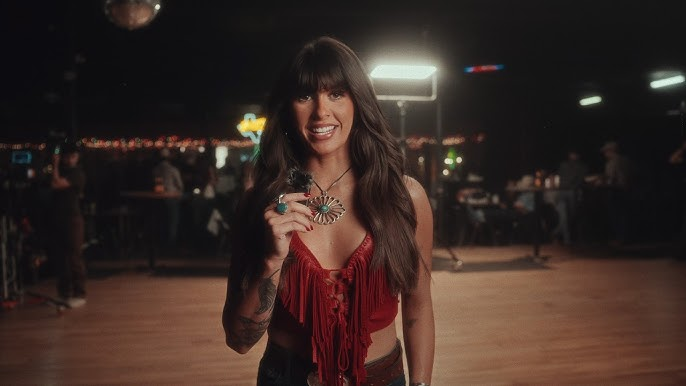
Breaking a record that stood for over a decade naturally gets attention. When any artist surpasses a mark long associated with someone as globally recognized as Taylor Swift, people notice immediately. But what makes this moment compelling is not only whose record was passed. It is how it happened. Ella Langley did not chase the milestone by abandoning her roots or reshaping herself into something more marketable. She arrived there sounding unmistakably like herself.
That detail matters in today’s music landscape. Modern chart success often comes attached to formulas: crossover production, social media trends, remix packages, genre blending designed for playlist reach, and polished attempts to satisfy everyone at once. There is nothing inherently wrong with experimentation. Music grows through evolution. But audiences can sense the difference between evolution and compromise. Ella’s rise appears meaningful because it suggests listeners still reward conviction when it is delivered honestly.
Choosin’ Texas has resonated because it seems built on identity rather than trend. In an era where many songs are optimized for instant reaction, storytelling remains one of country music’s oldest and strongest currencies. People do not only want hooks; they want scenes, emotions, characters, choices, and truths that feel lived-in. That is where traditional country continues to hold unique power. It invites listeners into a narrative rather than simply asking for their attention.
Nearly 500 million streams do not happen by accident. Numbers of that scale usually indicate something deeper than passive curiosity. They suggest repeat listening, emotional attachment, word-of-mouth momentum, and broad resonance. Fans return to songs that accompany their lives. They replay tracks that understand them, energize them, or speak in language they trust. If listeners are showing up for Choosin’ Texas at that level, then the song has moved beyond hit status into personal soundtrack territory for many people.
There is also symbolism in the names being mentioned alongside this achievement. Passing records associated with icons like Dolly Parton or globally dominant figures like Beyoncé sparks conversation because it places Ella within a lineage of women who shaped or challenged the genre in their own ways. It does not erase the greatness of those artists. Instead, it highlights that country music continues producing new chapters powerful enough to stand beside historic ones.
What may excite longtime fans most is the sense that “real country music” still has commercial life. That phrase means different things to different listeners, but it often points toward authenticity, narrative clarity, regional identity, emotional honesty, and instrumentation that respects the genre’s roots. Many listeners have worried that these elements were becoming secondary in mainstream spaces. Moments like this challenge that fear. They suggest tradition and popularity do not have to be enemies.
At the same time, Ella Langley’s success should not be framed as nostalgia alone. This is not merely a throwback win. It is a modern reminder that timeless ingredients still work when handled with confidence. Strong songwriting, a clear artistic point of view, and emotional credibility never truly go out of style. They may cycle in and out of trend conversations, but audiences continue responding when they appear in convincing form.
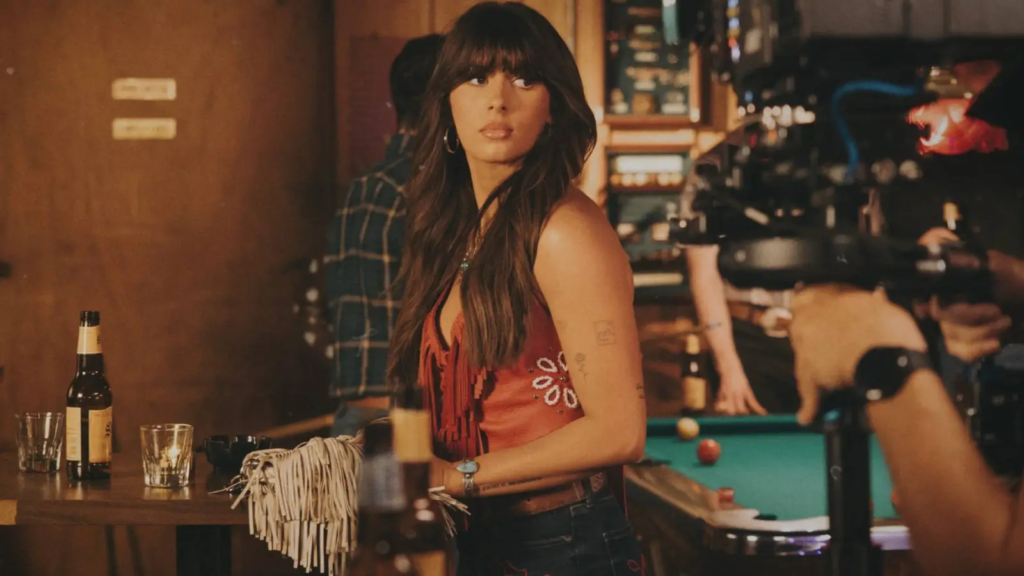
Another reason this milestone feels important is what it may signal to labels, programmers, and developing artists. Industry gatekeepers often chase whatever appears safest. If a traditional-leaning country song can dominate at this level, decision-makers may become more willing to support artists who sound rooted rather than manufactured. Young performers watching this moment may feel permission to lean further into their own voice instead of sanding it down for crossover appeal.
There is a larger emotional lesson here too. Listeners are not as predictable as metrics sometimes assume. They do not always want the most algorithm-friendly option. They often crave songs that feel like places, memories, and real conversations. They want records with dust on the boots, heart in the lines, and personality in every phrase. When one of those songs wins publicly, it validates private taste that many fans have carried quietly for years.
Success stories like this also remind us that country music’s future may depend less on reinvention than on confidence. The genre does not always need to become something else to stay relevant. Sometimes it simply needs artists brave enough to trust what made it matter in the first place: story, soul, specificity, and sincerity. Ella Langley’s moment appears to embody that belief.
Of course, charts change quickly. Records are eventually broken. New songs arrive, new names rise, and headlines move on. But some victories remain memorable because of what they represented in the moment. This one feels memorable because it challenged assumptions—that traditional sounds cannot dominate, that authenticity must be softened to scale, that storytelling is secondary to strategy.
Ella Langley’s four weeks at the top may be counted in numbers, but the real significance may be measured in confidence restored. Confidence for fans who wanted country music to sound like country music. Confidence for artists who feared being too rooted. Confidence for an industry that sometimes forgets audiences can still recognize the real thing when they hear it.
And that may be why everyone is talking today. Not simply because a record fell, but because something deeper stood tall.