
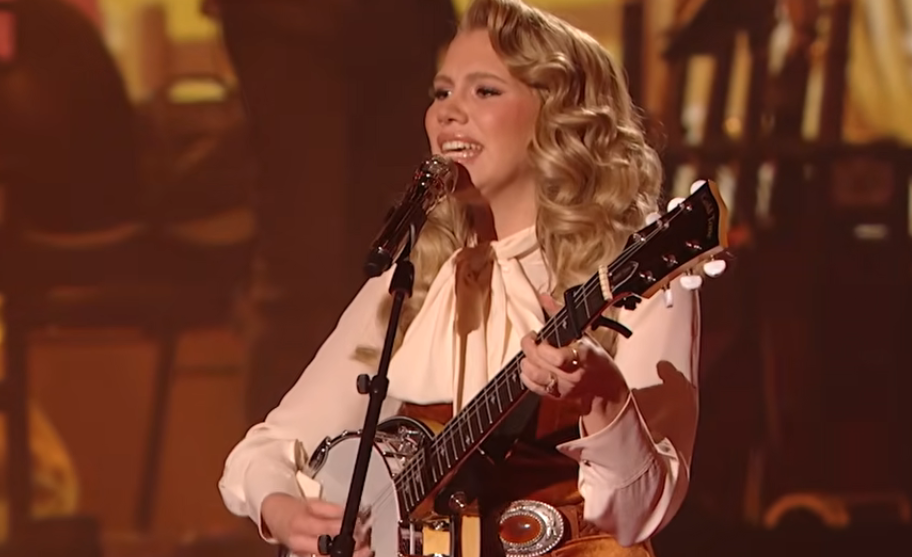
In a world where image often arrives before substance, genuine artistry stands out faster than ever. Audiences may enjoy trends for a moment, but they remember authenticity for years. That is why people respond so strongly to Hannah Harper. She represents something timeless in music—the kind of artist who can sing naturally, write honestly, and play the instruments that bring her songs to life.
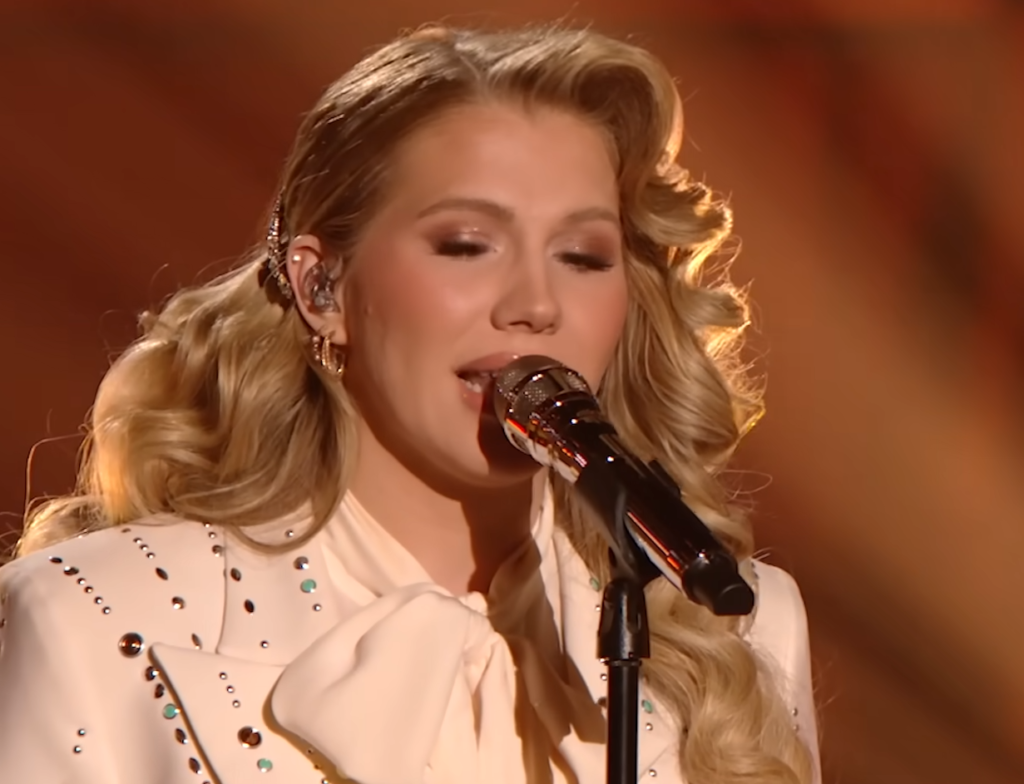
A real artist does not depend entirely on studio tricks, borrowed identity, or manufactured moments. A real artist carries the craft within them. They can step into a room with nothing but talent and still hold attention. Hannah Harper seems to embody that principle. Her appeal feels rooted in ability rather than decoration, and listeners can sense the difference immediately.
The first sign of true artistry is natural singing. Some voices sound forced, overworked, or built for imitation. Others flow as though music belongs there. Hannah’s voice appears to come from instinct. It does not sound like someone trying to become a singer—it sounds like someone who already is one. That natural ease is rare, and it often separates lasting talent from temporary attention.
When an artist sings what comes naturally, the result is emotional truth. The audience hears sincerity instead of strain. They hear personality instead of performance. Hannah seems to deliver songs in a way that feels lived rather than rehearsed. That quality creates trust with listeners, and trust is one of the strongest currencies any entertainer can earn.
The second mark of a real artist is songwriting. Singing a song well is valuable, but writing one reveals something deeper. It means the artist can transform feeling into language, memory into melody, and personal moments into something others understand. Songwriting is where talent becomes identity. If Hannah is creating her own music, she is doing more than performing—she is building a voice no one else can duplicate.
Artists who write their own songs often connect differently with audiences because the listener senses ownership in every line. The emotion lands harder because it comes from a real source. Whether the song speaks of joy, heartbreak, hope, or resilience, it carries fingerprints no one else can replicate. That is the kind of connection stars are built on, and Hannah seems positioned for exactly that.
Then comes the third mark: musicianship. Playing instruments while singing adds another layer of credibility and command. It shows rhythm, discipline, coordination, and deep understanding of the music itself. An artist who can accompany their own voice is not standing beside the music—they are inside it. Hannah’s ability to play along with her songs strengthens the impression that she is the full package.
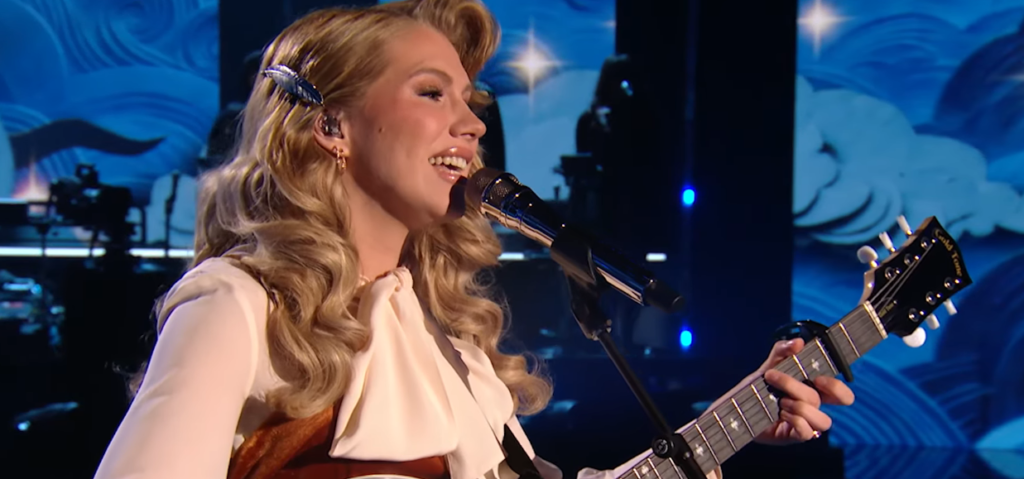
There is something magnetic about watching a performer who can do it all. When someone sings, writes, and plays, the audience is not simply watching entertainment. They are witnessing craftsmanship. Every chord, lyric, and note feels more personal because it comes directly from the same pair of hands and heart. That kind of self-contained artistry has always drawn lasting admiration.
History tends to favor artists with multiple dimensions. Trends may elevate personalities for a season, but careers with depth are often built by those who master several parts of the craft. They adapt better, grow further, and remain relevant longer because their foundation is skill. Hannah Harper appears to have the kind of foundation that can support real longevity.
Calling someone a star is easy. Calling someone a true star means something more. It means they shine because of substance, not spotlight. It means even without heavy promotion, people notice. It means talent creates momentum before marketing does. Hannah seems to inspire that kind of reaction because people recognize genuine ability when they see it.
From a strategic standpoint, artists like Hannah also have stronger long-term potential. They can create original catalogs, perform live with confidence, connect across formats, and evolve authentically over time. That versatility is priceless in modern entertainment. It means she is not limited to one lane or one moment. She has room to build something lasting.
Perhaps most importantly, Hannah represents hope for listeners who still believe real musicians matter. In an age where shortcuts often receive attention, there is something refreshing about an artist whose strengths appear earned and real. She reminds people that talent, discipline, and authenticity still have power.
So when people say Hannah is a true star, they are saying more than she is popular or promising. They are recognizing the signs of real artistry already present: a natural voice, original expression, instrumental skill, and the kind of presence that cannot be manufactured.
Some performers chase stardom.
Others carry it before the world has fully caught on.
Hannah Harper feels like the second kind.