
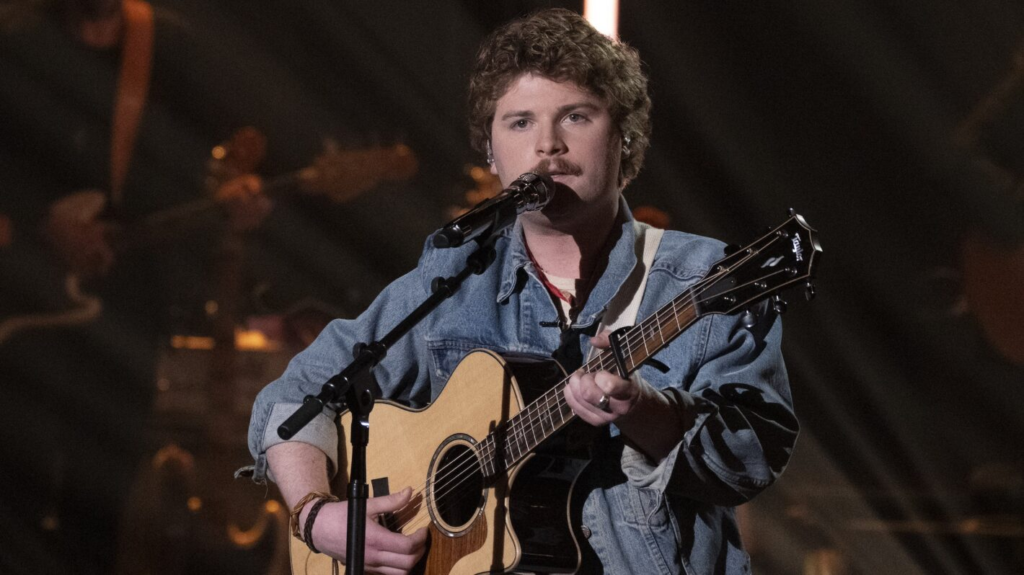
Some performances end when the applause stops. Others begin a battle the second the final note lands. That is exactly what happened when Brooks Rosser stepped onto the Disney Night stage and delivered his version of The Climb. What should have been a celebration of a beloved anthem quickly turned into one of the most heated debates of the season. Across social media, fans split into two passionate camps—and neither side seems ready to back down.
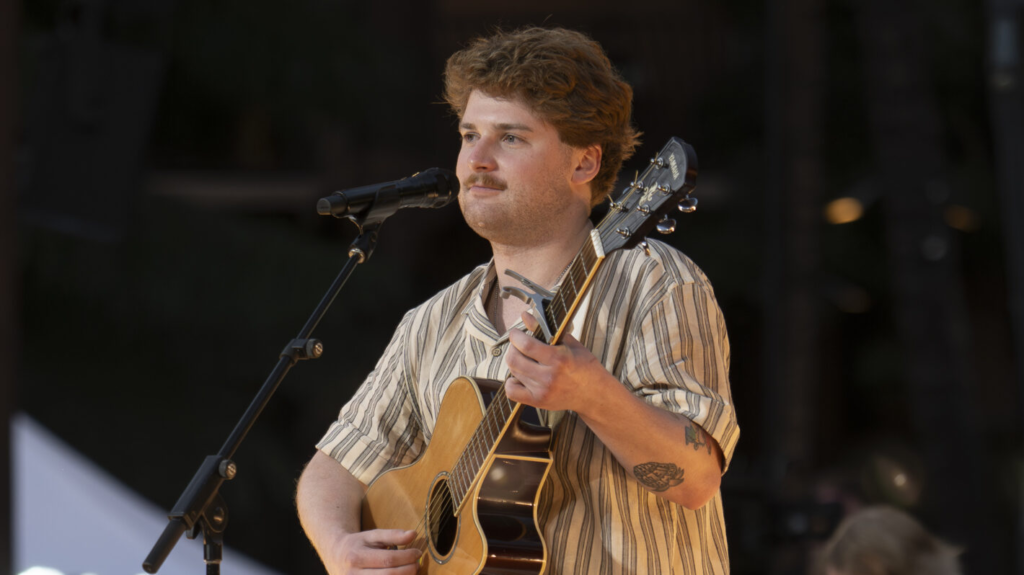
The controversy did not come from lack of talent. It came from style. Brooks chose not to imitate Miley Cyrus or modernize the song into something trendy and polished. Instead, he sang it with a tone that many described as raw, rooted, and unmistakably classic. His voice carried grit, warmth, and a timeless texture that felt pulled from another era. For some listeners, that was refreshing. For others, it felt out of step with today’s sound.
Gen Z viewers were among the loudest critics online. Many argued that Brooks sounded “too old-school” for a modern competition. To them, the performance lacked the slick runs, youthful edge, and contemporary styling they have come to expect from current pop artists. Some viewers even questioned whether a voice so steeped in tradition could compete in a Top 7 built for a new generation.
But criticism only fueled the response from older fans, who rushed to defend him with equal intensity. They argued that Brooks represents something increasingly rare in mainstream music: authenticity. No overproduction. No forced vocal tricks. No chasing trends. Just a singer standing in front of an audience and delivering emotion with honesty. To them, Brooks did not sound dated—he sounded real.
That word, real, has become the center of the entire debate.
Supporters believe Brooks Rosser is tapping into a lane many artists have abandoned. They hear echoes of eras when voices were distinct, imperfections were powerful, and songs lived or died by feeling rather than filters. They see an artist who is not trying to fit into an algorithm. In a time where so much music can feel disposable, Brooks feels permanent.
Adding even more fuel to the conversation was the reported backstage praise from Jennifer Hudson, this week’s mentor and one of the show’s most respected success stories. According to the buzz surrounding the episode, Hudson told Brooks that his “real, raw voice” is exactly what the music industry is missing right now. Whether repeated word for word or not, the sentiment struck a nerve with viewers.
Why did that comment matter so much? Because Jennifer Hudson understands the difference between talent and identity. Plenty of singers can impress for a night. Far fewer leave a mark because they sound like nobody else. If someone with her experience recognizes something valuable in Brooks, fans take notice. Her support gave his defenders a powerful new argument: maybe what sounds old to some ears sounds original to wiser ones.

Still, the critics remain unconvinced. They argue that competition shows should spotlight the future, not revive the past. They want versatility, current relevance, and voices that feel connected to what dominates playlists now. In their eyes, Brooks may be talented—but talent alone does not guarantee cultural relevance. They wonder whether nostalgia can really carry someone through a modern voting audience.
Yet that perspective raises a larger question: what does “dated” even mean in music anymore?
Great voices do not expire. Soul does not age out. Emotion does not become irrelevant because trends change. Many legendary artists built careers by refusing to sound like everyone else. In fact, the most enduring performers are often the ones critics initially dismissed as unfashionable. Brooks Rosser may be confronting that same tension now—between trend and truth.
There is also something brave about refusing to shape-shift for approval. Brooks could have chased a younger, more commercial tone. He could have reworked the song to fit online expectations. Instead, he trusted the instrument he has. Whether fans love or hate the result, they are reacting to something honest. That honesty is often what audiences remember longest.
And perhaps that explains why the internet is so divided. Brooks Rosser is not easy to categorize. He does not neatly fit the current mold, and people often struggle with artists who challenge expectations. Some hear the past. Others hear the future of music rediscovering its roots. Both reactions reveal how powerful the performance actually was.
So, is Brooks too dated for the Top 7? Or is he the only one keeping real music alive?
The answer may depend on what listeners want from music itself. If they want trends, he may feel out of place. If they want truth, he may be exactly what the moment needs. Either way, one thing is certain: Brooks Rosser did more than sing The Climb—he started a conversation the internet cannot stop having.