
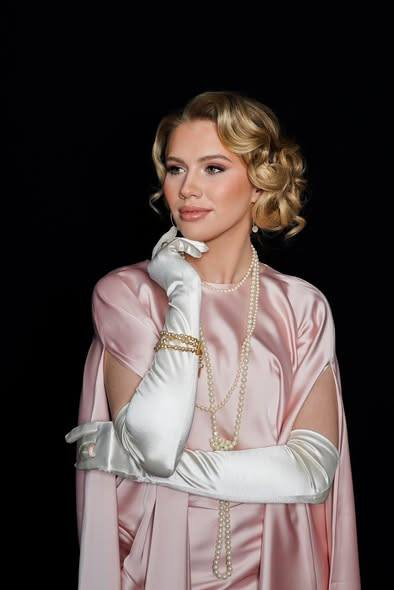
There are performances that earn applause, and then there are performances that shift the entire conversation. Hannah Harper delivered the kind of moment that does both. What unfolded on stage was more than a strong showing—it felt like the arrival of an artist stepping fully into her identity. From the first second to the final note, there was a noticeable change in the room. The judges saw it. The audience felt it. And viewers at home immediately understood that something important was happening.
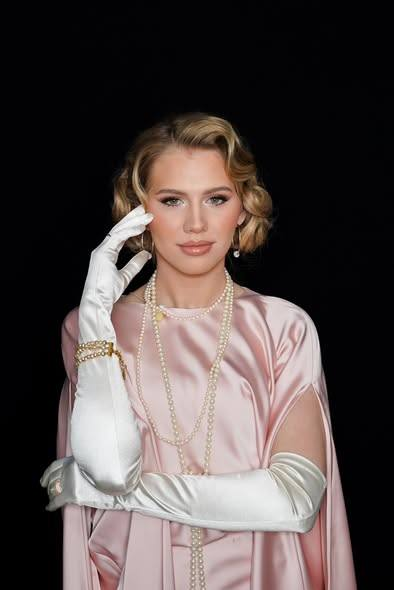
For weeks, Hannah Harper has been recognized for talent, promise, and emotional instinct. But this performance introduced something new: command. It was the difference between a contestant singing well and a performer owning the stage. Her confidence felt sharper, her delivery more intentional, and her connection to the spotlight more natural than ever before. It wasn’t a small improvement—it was a leap.
That is exactly why the judges responded so strongly. Luke Bryan, Lionel Richie, and Carrie Underwood each leaned in with visible excitement, the kind of reaction that cannot be rehearsed. Judges who have seen countless performances know when they are witnessing growth in real time. Their energy suggested they weren’t simply complimenting Hannah—they were acknowledging evolution.
Luke Bryan’s reaction carried particular weight because he often recognizes authenticity quickly. His praise suggested that Hannah was no longer relying solely on potential. She was beginning to convert talent into presence. That distinction matters in competition shows. Potential can get attention, but presence wins rooms. Hannah appeared to understand that difference and embraced it fully.
One of the most talked-about comments from the panel was the comparison to Reba McEntire. That kind of reference is not casually made. Reba represents confidence, personality, humor, resilience, and unmistakable star power. To mention Hannah in that spirit was less about imitation and more about attitude. It signaled that she brought a boldness to the stage that audiences instantly recognize.
That comparison also matters because stage identity is often what separates good singers from lasting artists. Many contestants can hit notes. Fewer can project character the moment they walk into the light. Hannah’s latest performance suggested she is beginning to build that identity—something viewers can remember even after the music ends. The Reba-style confidence was not costume deep. It felt rooted in self-belief.
Carrie Underwood’s words may have been even more revealing. When Carrie described the moment as a defining leap forward, it carried the perspective of someone who knows exactly what transformation on that stage looks like. Carrie Underwood understands the difference between surviving a round and announcing yourself as a contender. Her praise suggested Hannah may have crossed that line.
That is an important moment in any competition journey. Early rounds often focus on talent. Later rounds become about identity, consistency, and momentum. Carrie’s response implied that Hannah is entering a new phase—one where she is no longer being evaluated only as a promising singer, but as someone capable of competing at the highest level.
Then there was Lionel Richie, whose comments often blend humor with truth. Lionel Richie added a playful warning that brought smiles to the room, but beneath the laughter was a message many fans understood immediately: Hannah is becoming dangerous in the best possible way. Contestants who peak at the right time often become the ones nobody can ignore.
Lionel’s instinct has always been to recognize charisma before others fully name it. His playful tone likely masked genuine admiration for the confidence Hannah displayed. Sometimes judges joke most when they are impressed most. It keeps the room light while making a serious point. In Hannah’s case, the point was clear—she is no longer simply participating. She is arriving.
What made the performance especially powerful was that the growth felt natural rather than forced. Some contestants try to “be bigger” on stage and lose themselves in the process. Hannah seemed to do the opposite. She looked more comfortable, more grounded, and more certain of who she is. That authenticity often creates the strongest breakthroughs because audiences trust what they see.
Fans online quickly echoed the judges’ reactions. Many described the performance as her best yet. Others pointed to body language alone—the way she moved, held pauses, and commanded attention—as evidence of a new level of confidence. When viewers begin discussing presence as much as vocals, it usually means an artist has crossed into a new lane.
There is also a broader lesson in Hannah Harper’s moment. Growth is rarely loud at first. It happens in small risks, better choices, and quiet confidence built over time. Then one night, it becomes visible to everyone at once. That may be what happened here. The judges were not reacting only to one song—they were reacting to weeks of progress suddenly crystallized in a single performance.
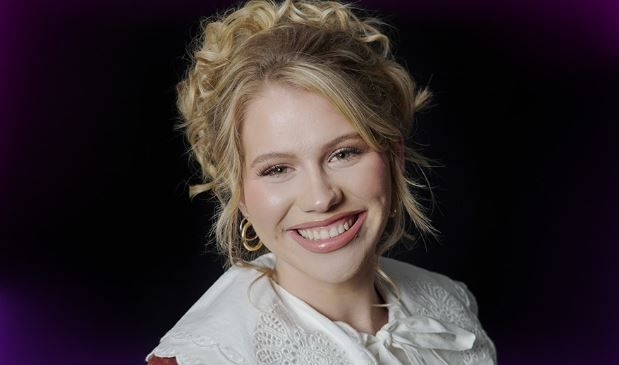
So what do the judges really think? Their reactions suggested something bigger than approval. They seemed to believe Hannah Harper is transforming from a talented contestant into a complete performer. That is a rare shift, and when it happens, everyone in the room can feel it.
If this performance was the breakthrough it appeared to be, then Hannah Harper’s story may be entering its most exciting chapter yet. And once judges start speaking with that level of belief, the competition often changes forever.