
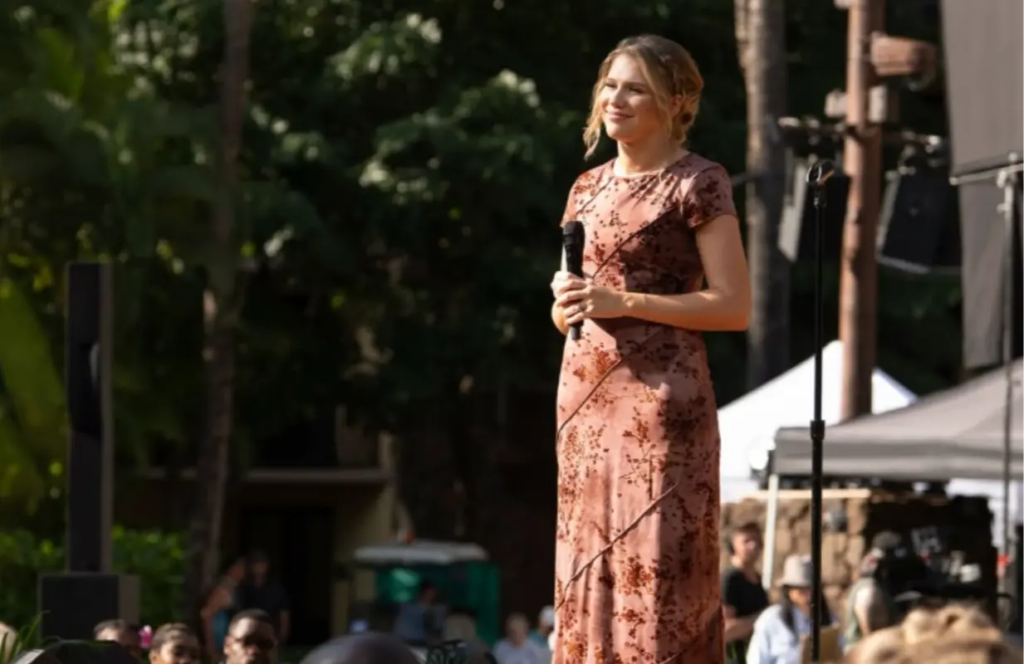
In high-stakes performance rounds, contestants often believe they must do more to be remembered. More movement. More dramatic gestures. More pacing across the stage. More visible effort. The instinct is understandable—when pressure rises, many assume bigger energy creates bigger impact. Yet some of the most unforgettable performances prove the opposite. Sometimes the strongest move onstage is restraint. Sometimes standing still can shake a room more than sprinting across it ever could.

This is the quiet advantage: the psychological power of controlled presence. When a performer chooses less movement in a moment where everyone expects excess, attention naturally sharpens. The audience leans in. Instead of being told where to look through constant motion, viewers begin searching the performer’s face, voice, posture, and emotion. Stillness does not reduce energy when used correctly—it concentrates it.
Human attention is built to notice contrast. In a competition filled with lights, camera sweeps, choreography, and rapid stage transitions, stillness becomes rare. And whatever becomes rare becomes valuable. A contestant who remains grounded while others rush can instantly appear more confident, more composed, and more certain of their place. The stage suddenly feels smaller around them, not because they moved across it, but because their presence expanded within it.
There is also a subconscious message sent through controlled movement: I do not need tricks to hold you. Audiences may never say this out loud, but they feel it. Excessive movement can sometimes signal anxiety, overcompensation, or a search for attention. Deliberate stillness often signals command. It suggests the performer trusts the material, trusts their voice, and trusts the audience to stay with them. Confidence, when genuine, is magnetic.
In pressure-filled rounds, nerves are contagious—but so is calm. A performer who appears settled can regulate the emotional temperature of the room. Judges soften into listening mode. Audiences stop bracing for spectacle and begin receiving emotion. This matters because people remember what they feel more than what they witness. Movement can entertain the eyes. Presence moves the nervous system.
Less movement also creates clarity. When a contestant is constantly pacing, gesturing, turning, and shifting, the viewer’s brain is processing many signals at once. Some of those signals compete with the song itself. But when the body quiets, the voice becomes the event. Every lyric lands cleaner. Every pause feels intentional. Every facial expression gains meaning. Simplicity often reveals depth that busyness can hide.
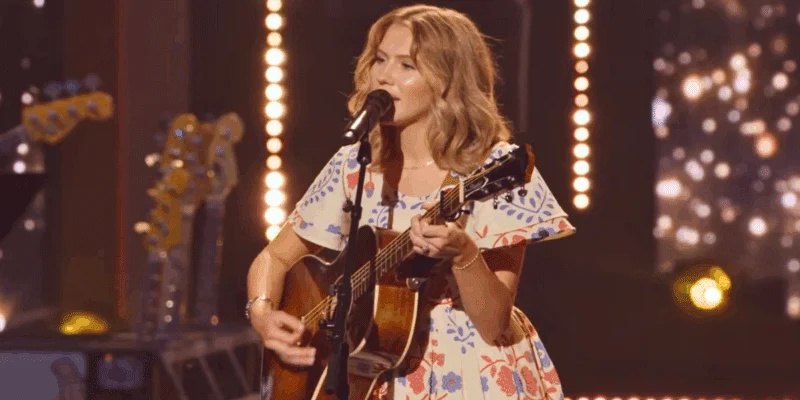
There is a reason legendary performers across genres have understood this instinctively. Many iconic moments involve minimal motion paired with maximum emotional truth. A single step forward at the right lyric can matter more than twenty steps taken without purpose. A lifted chin can speak louder than choreographed flourishes. A pause before a final note can feel like thunder. Precision outperforms volume when stakes are highest.
Stillness also creates suspense. Audiences are conditioned to expect constant stimulation. When a performer resists that rhythm, tension builds in the best possible way. Viewers wonder what is coming next. They become alert. Silence, pause, and physical restraint create anticipation that frantic motion rarely can. The performer controls tempo not just musically, but psychologically.
For contestants in elimination rounds or finale moments, this advantage becomes even sharper. At that stage of competition, talent is usually assumed. Most remaining performers can sing, deliver, and compete. What separates them is identity. Less movement can communicate maturity—an artist who knows they no longer need to prove everything at once. It tells the room: I know who I am, and that is enough.
This does not mean motion is ineffective. Movement can be thrilling, expressive, and necessary depending on the song. But movement without intention becomes wallpaper. It fills space without changing meaning. The quiet advantage is not about freezing in place. It is about using movement sparingly enough that each action carries weight. When every gesture matters, nothing is wasted.
There is also an emotional honesty that comes with physical restraint. Many vulnerable songs lose power when over-performed. Heartbreak, reflection, longing, regret—these emotions often live in the eyes, breath, and voice more than in choreography. A contestant who allows emotion to remain raw instead of decorating it can create a stronger bond with viewers. People trust what feels unforced.
From a camera perspective, less movement can be even more powerful. Television and digital audiences experience performances through close-ups. A subtle blink, trembling breath, or focused stare can communicate more through a lens than wide-stage motion ever will. In modern competitions, performers are not only singing to a room—they are singing to millions of screens. Controlled stillness translates beautifully on camera.
The smartest contestants understand that stage presence is not measured in miles walked or arms extended. Presence is measured in attention held. If someone stands nearly motionless and no one can look away, that is elite stagecraft. If someone runs every corner of the platform and leaves no emotional imprint, movement becomes meaningless.
What appears quiet is often highly strategic. It requires discipline to resist panic. It requires confidence to trust simplicity. It requires emotional intelligence to know when the audience needs intimacy instead of intensity. Many performers move more because they are afraid of emptiness. Great performers understand emptiness can be where meaning lives.
That is why less movement can create more impact in high-stakes rounds. It transforms the performer from someone chasing the room into someone commanding it. It turns attention from scenery to soul. It converts noise into focus. And when everyone else is trying to be larger than life, the artist brave enough to become still often becomes impossible to forget.