
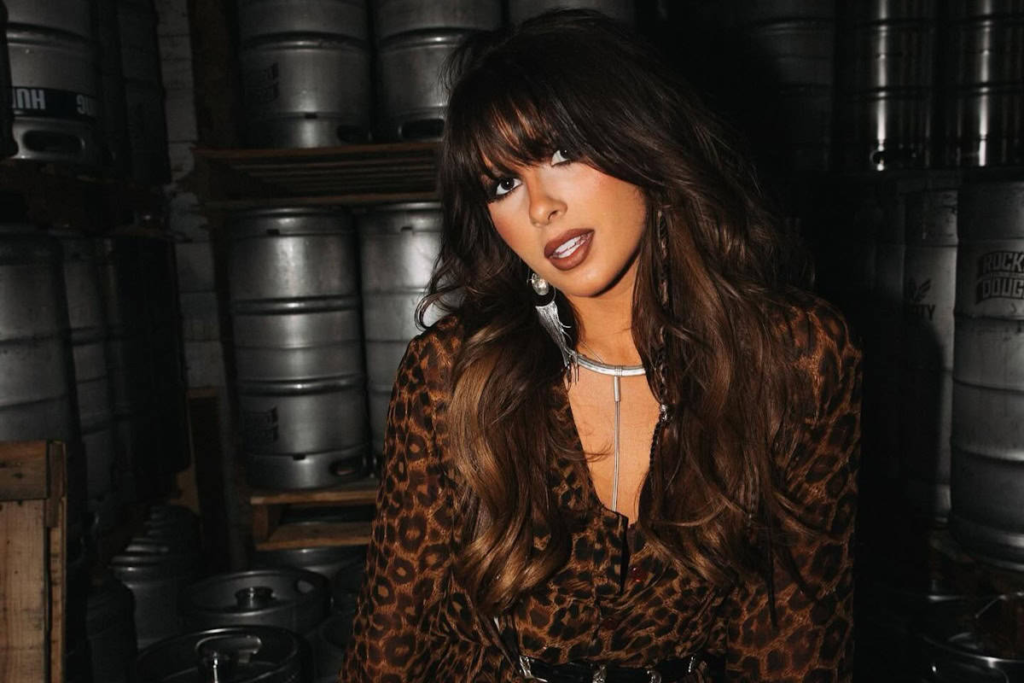
In a place like Hope Hull, Alabama, dreams don’t arrive loudly. They whisper. They sit quietly in the corners of front porches, in the hum of passing trucks, in the rhythm of everyday survival. For Ella Langley, those whispers were never small—they were steady, persistent, and impossible to ignore.
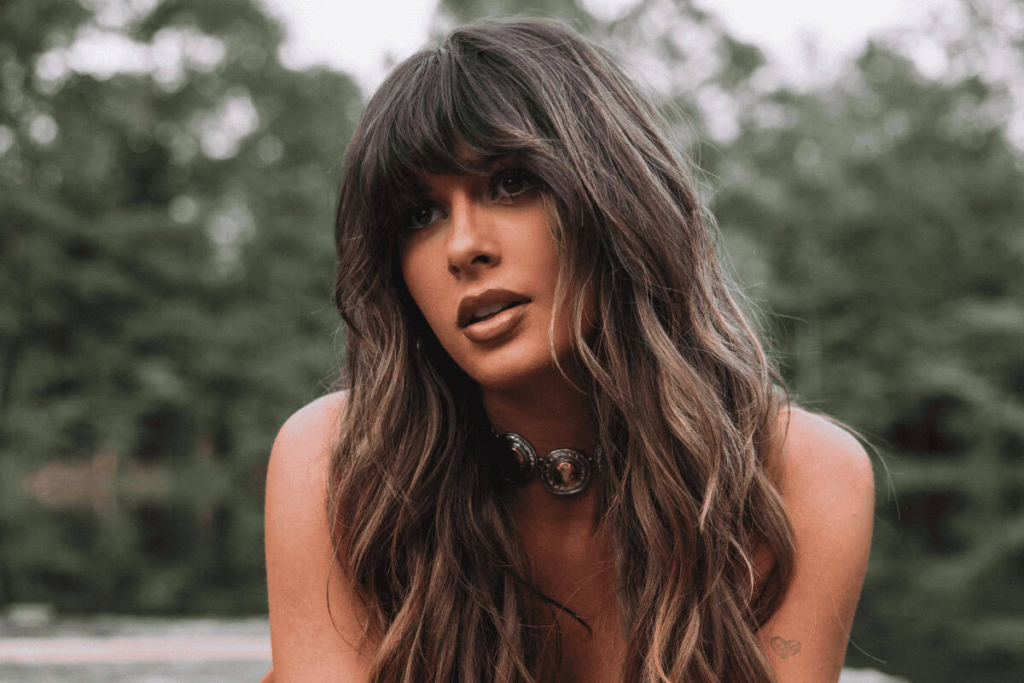
Growing up in a town where everyone knows your name can be both grounding and limiting. There’s comfort in familiarity, but there’s also an unspoken ceiling. Yet, for Langley, that ceiling was never real. It was simply something she would eventually walk through, carrying her story with her rather than leaving it behind.
Her early years weren’t filled with glamour. They were filled with grit. The kind that doesn’t show up on stage lights but lives in late nights, long drives, and quiet doubts. That toughness—shaped by her environment—became her foundation. It wasn’t polished, but it was real, and country music has always had a way of recognizing what’s real.
When she stepped into Nashville, she wasn’t stepping into opportunity—she was stepping into resistance. Nashville doesn’t hand out success. It tests it. Every open mic, every small crowd, every overlooked performance becomes a question: Do you belong here?
And for a long time, the answer didn’t come easily.
There were years where the dream felt distant, almost unreachable. Moments when the noise of rejection grew louder than the music she carried inside. But what separates artists like Langley from the rest is not just talent—it’s endurance. The ability to stay when everything tells you to leave.
That endurance slowly turned into momentum.
Her voice—raw, textured, and unapologetically honest—began to find its place. Not because it fit into the industry, but because it refused to change for it. In a genre built on authenticity, Langley wasn’t trying to become something new. She was becoming more of who she had always been.

And then came the moment every country artist dreams of—the stage that doesn’t just showcase talent but defines legacy: the Grand Ole Opry.
Standing there is not just a performance. It’s a recognition. A silent acknowledgment from the past, present, and future of country music that you belong to its story. When Langley stepped onto that stage, she didn’t just arrive—she completed a journey that began in a town most people will never visit.
But what makes her rise even more powerful is not the destination. It’s what she carried with her to get there.
Her story is not one of escape. It’s one of transformation. She didn’t leave Hope Hull behind—she brought it with her, embedding its spirit into every lyric, every note, every performance. That’s why her music resonates. It feels lived, not manufactured.
Fans across the country aren’t just listening to her—they’re seeing themselves in her. In her struggles. In her persistence. In her refusal to let circumstance define possibility. She has become more than an artist; she has become a reflection of what country music has always promised: that truth matters.
And now, as voices grow louder calling her the “New Queen of Country Music,” it doesn’t feel like a title given—it feels like one earned.
Because queens aren’t made overnight.
They are built in silence, in struggle, in places no one is watching.
And in the quiet town of Hope Hull, long before the world was listening, Ella Langley had already begun her reign.