
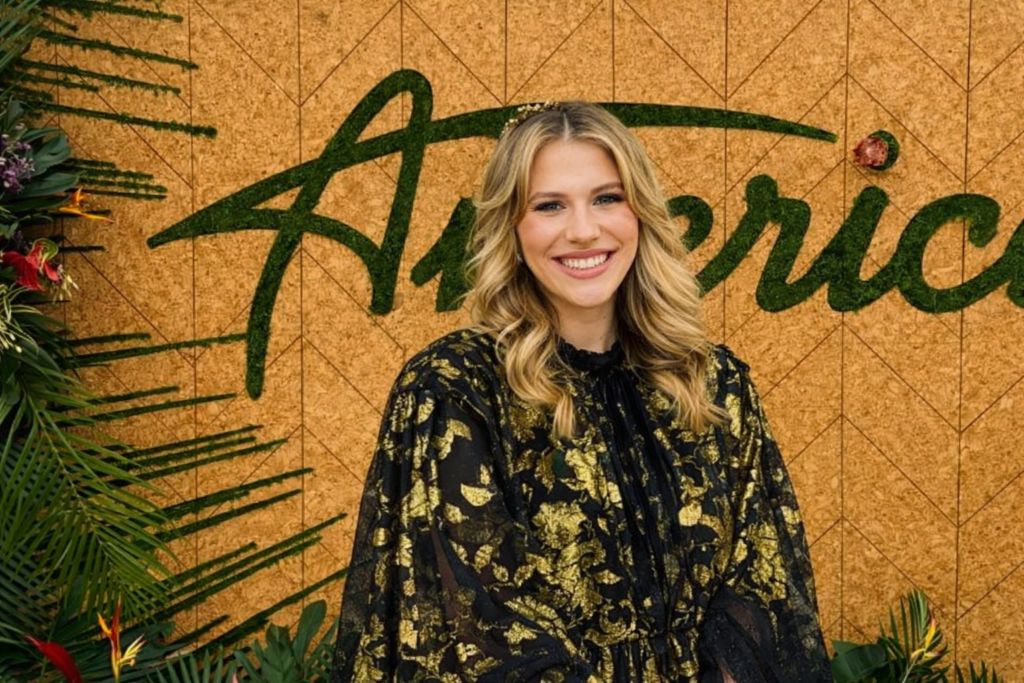
There are performances that remind you of a song—and then there are performances that quietly take the song away from where it once belonged. The “Landslide Effect” lives in that delicate, almost unnoticeable shift. It’s not rebellion against the original; it’s something far more intimate. It’s when interpretation becomes so complete, so emotionally inhabited, that the memory of the original begins to loosen its grip.
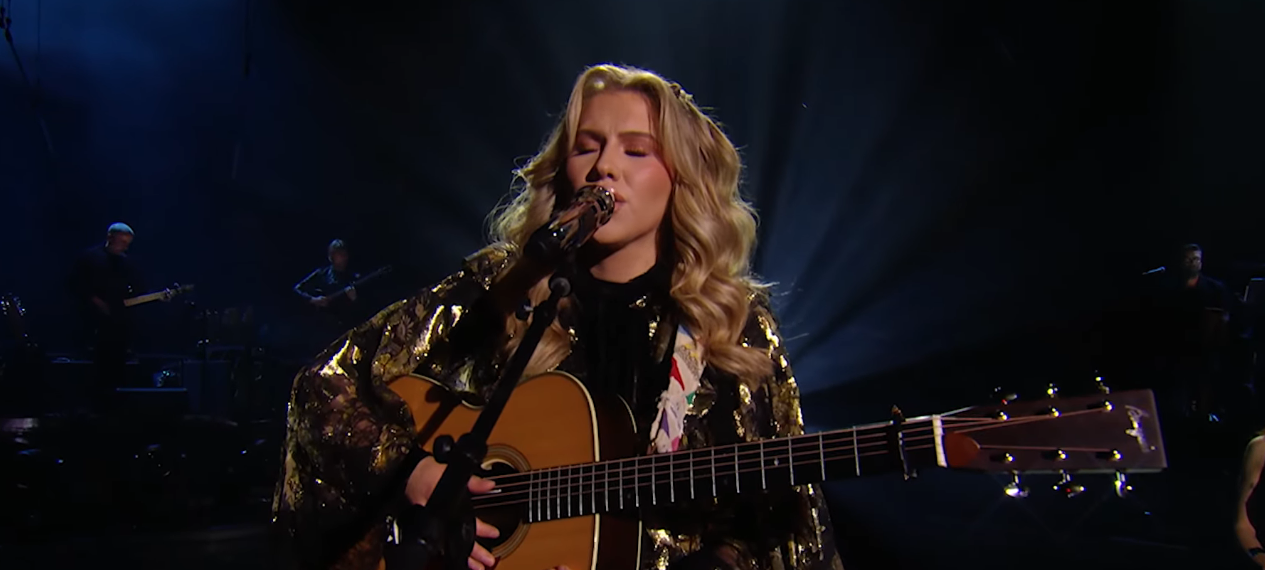
The song Landslide, made immortal by Fleetwood Mac and written by Stevie Nicks, is one of those rare pieces that feels untouchable. Its fragility is its identity. Its simplicity is its strength. And yet, time and time again, artists attempt it—not to outperform it, but to understand it.
Most covers fail not because they are bad, but because they are careful. They orbit the original instead of stepping into it. They preserve instead of transform. And preservation, while respectful, rarely creates impact. The audience hears recognition, not revelation.
But then comes that rare moment—the one that changes everything.
It doesn’t begin with a dramatic note or a bold rearrangement. In fact, it often begins with restraint. A slower breath. A quieter entrance. A subtle shift in phrasing that feels almost accidental, but isn’t. This is where the performer stops asking, “How do I sing this song?” and starts asking, “What does this song sound like inside me?”
That’s the turning point. The “Landslide Effect” isn’t about technical reinvention—it’s about emotional relocation. The song is no longer anchored to its original context; it is re-rooted in a new voice, a new life, a new set of experiences. And suddenly, the audience isn’t comparing anymore. They’re experiencing.
What makes this phenomenon so powerful is its quietness. There’s no announcement when it happens. No visible line crossed. One moment, you’re listening to a cover. The next, you’ve forgotten you’re supposed to measure it against anything at all.
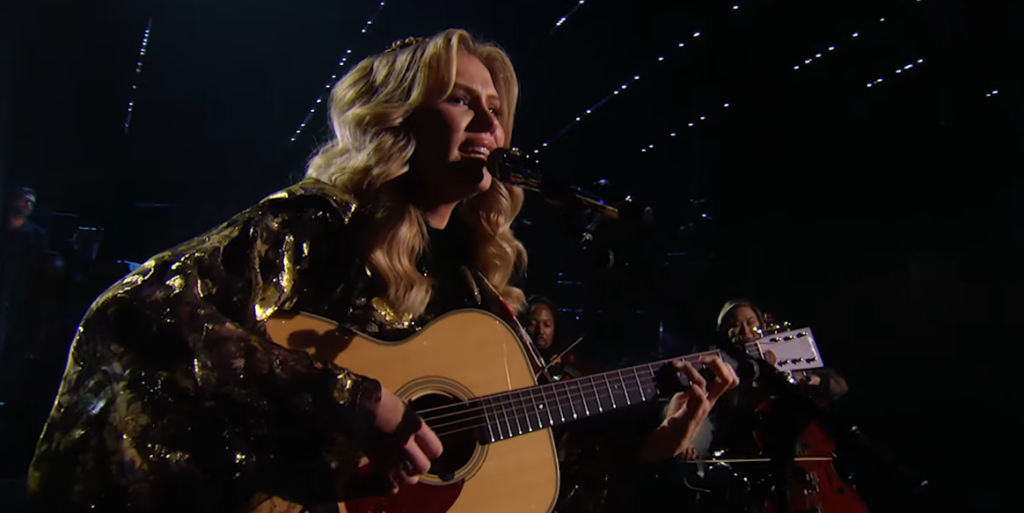
This is especially evident on platforms like American Idol, where covers are not just expected—they are the entire language of the show. Contestants walk a thin line between honoring the original and revealing themselves. Too much imitation, and they disappear. Too much deviation, and they risk disconnect.
But when the balance is struck—when interpretation overtakes familiarity—the performance becomes something else entirely. It becomes ownership without possession. The artist doesn’t claim the song; they embody it.
This is where audience psychology shifts. Viewers are no longer evaluating accuracy or originality—they are responding to truth. And truth, in music, is rarely about perfection. It’s about recognition. The feeling that what you’re hearing is not being performed for you, but revealed to you.
In these moments, even the most iconic songs feel newly written. Lyrics that have existed for decades suddenly sound like they were discovered, not remembered. And that illusion—of first-time emotion—is what separates a good cover from a defining one.
Interestingly, the original artist’s presence doesn’t disappear in this process. It transforms. Instead of being the benchmark, it becomes the foundation. The cover doesn’t erase the original; it expands it. It proves that the song was never fixed—it was always waiting to be reinterpreted.
And perhaps that’s the most beautiful part of the “Landslide Effect.” It reminds us that music is not a static creation. It’s a living exchange between voices, across time. A song doesn’t belong to the person who wrote it—it belongs to every person who can feel it deeply enough to make it their own.
So when a cover stops feeling like a cover, it’s not because the original has been surpassed. It’s because, for a brief and powerful moment, the song has found another truth to live in.