
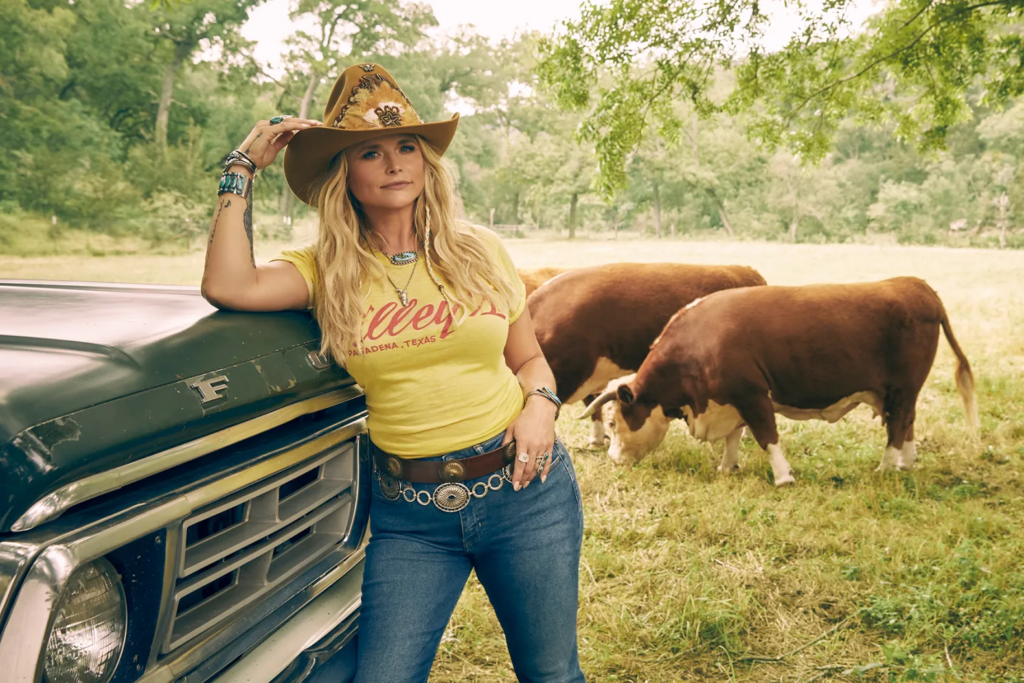
There are records that sit untouched for so long, they begin to feel permanent—less like achievements and more like landmarks. For years, what Reba McEntire built at the ACM Awards carried that exact weight. Sixteen Female Artist of the Year nominations. Not just a number, but a standard. A ceiling.
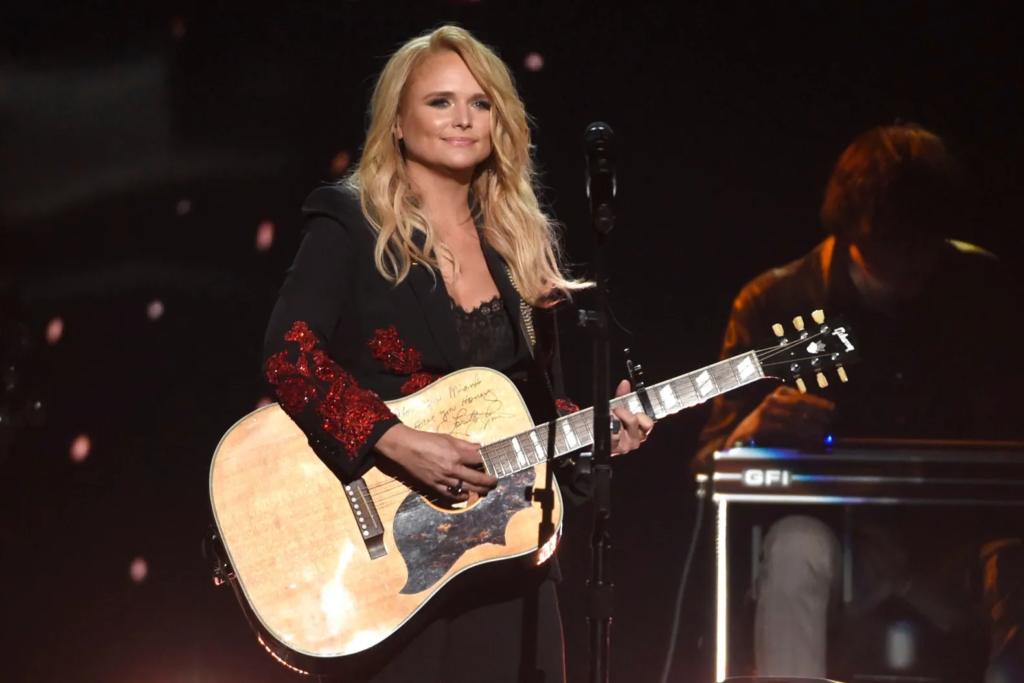
And ceilings, in music, rarely break quietly.
Now, something has shifted.
With her 2026 nomination, Miranda Lambert has moved beyond that long-standing mark, standing alone at the top with more Female Artist of the Year nominations than any woman in ACM history. Not beside the greats. Not within reach of them.
Beyond them.
It’s the kind of moment that could easily be framed as a passing of the torch. A generational transition. But that interpretation feels too simple—because what Lambert has built doesn’t replace what came before it.
It extends it.
There’s a lineage in country music that isn’t written down but is always felt. Voices that didn’t just define eras but shaped what was possible within them. Names like Dolly Parton and Loretta Lynn weren’t just artists—they were frameworks. They expanded the boundaries of storytelling, identity, and presence in a genre that often demanded both strength and subtlety.
Reba McEntire carried that forward with a different kind of authority. Polished, commanding, and deeply consistent, she set a benchmark that wasn’t just about recognition—it was about longevity. About showing up, year after year, with a voice that never drifted from its core.
Miranda Lambert didn’t arrive to challenge that.
She arrived to build her own version of it.
From the beginning, her artistry has carried a different energy. Less controlled. More volatile. A willingness to lean into imperfection, to let emotion sit at the surface instead of refining it away. Her songs don’t just tell stories—they confront them.
And over time, that approach didn’t just earn attention.
It earned trust.
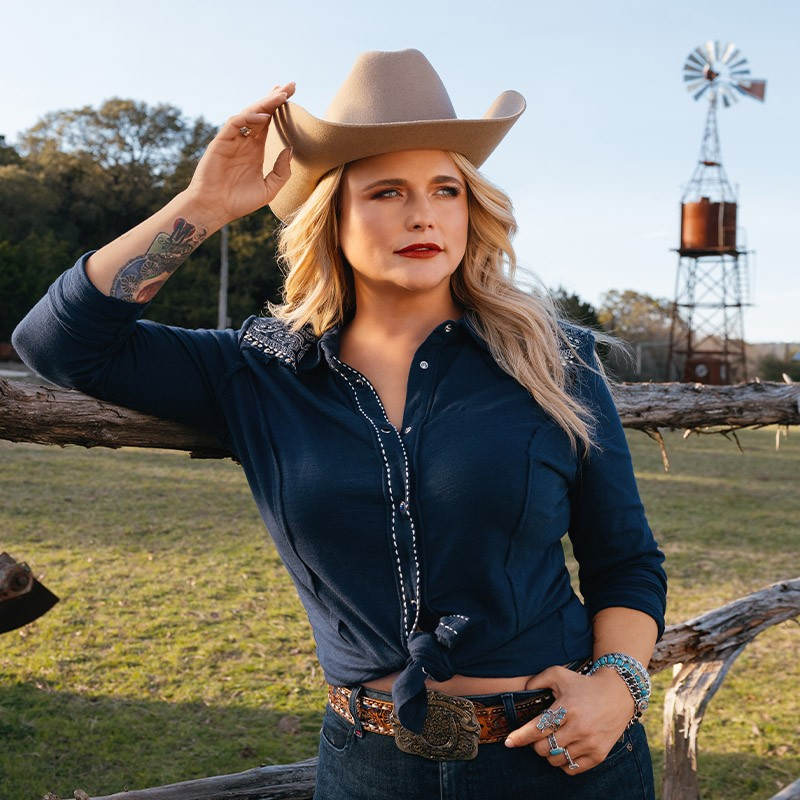
That’s what makes this record feel significant beyond the numbers. Because nominations, especially at this level, don’t happen in isolation. They reflect something sustained. Something that continues to resonate long after the initial breakthrough has passed.
And in 2026, Lambert isn’t just present.
She’s dominant.
Eight total nominations—her strongest showing in over a decade. In an industry that constantly reinvents itself, where relevance can feel temporary, she has found a way to remain not just visible, but central.
That kind of consistency doesn’t come from repetition.
It comes from evolution.
But not the kind that abandons identity in favor of trend. Lambert’s evolution has always felt internal—expanding her sound, deepening her perspective, while holding onto the core that made her recognizable in the first place.
That’s a difficult balance to maintain.
Because growth often comes with pressure to shift completely—to become something new enough to feel current. But Lambert’s path has been different. She hasn’t chased the moment.
She’s shaped it.
And perhaps that’s why this milestone doesn’t feel like a peak.
It feels like a continuation.
Because artists who reach this level often begin to slow down, to settle into legacy. But Lambert’s current momentum suggests something else entirely. Not a reflection on what she’s done—but an extension of what she’s still doing.
There’s also something quietly powerful about the timing.
A decade after her last peak nomination run, she returns with a presence that feels just as strong, if not stronger. Not because she needed to prove anything—but because she never stopped building.
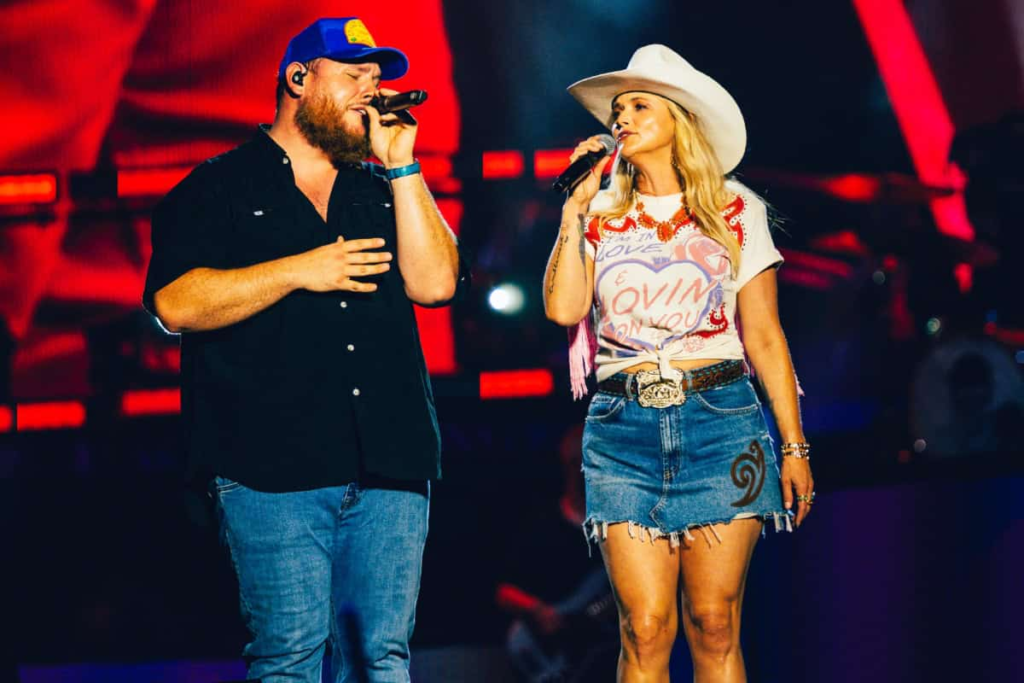
That’s the difference between a career and a legacy.
A career moves.
A legacy accumulates.
And right now, Miranda Lambert is adding to hers in real time.
But what makes this moment resonate isn’t just that she’s surpassed a record.
It’s who she’s surpassed.
Because standing beyond names like Reba McEntire, Dolly Parton, and Loretta Lynn isn’t about leaving them behind. It’s about carrying forward the weight of what they built—and adding something new to it.
Something distinctly her own.
That’s what records like this represent when they’re reached this way. Not a rewrite of history—but an expansion of it.
And as the 2026 ACM Awards approach, the conversation isn’t just about who will win.
It’s about what this moment already means.
Because sometimes, the most significant shift doesn’t happen when a name is announced on stage.
It happens the moment the record changes—and everyone realizes they’re watching history move.